


What dietary considerations should be observed in daily life for breast diseases?
Mar 14, 2022
Source: Cainiu Health

Dr. Lei Ling
Introduction
Patients with breast diseases should maintain a light diet in daily life, consuming more fresh vegetables and fruits—especially those rich in vitamins, such as oranges, orange juice, and papaya—which also possess antioxidant properties that may help prevent malignant transformation of breast disease. Their diet should emphasize easily digestible foods while avoiding high-oil and high-fat foods.
Breast diseases are disorders originating from breast-related tissues, including mammary glands, adipose tissue, lymphatic tissue, blood vessels, and the nipple. These conditions encompass inflammatory breast diseases, benign breast lesions, malignant breast tumors, congenital developmental abnormalities, and gynecomastia (male breast development). So, what dietary considerations should individuals with breast disease observe in daily life? The following addresses this question.
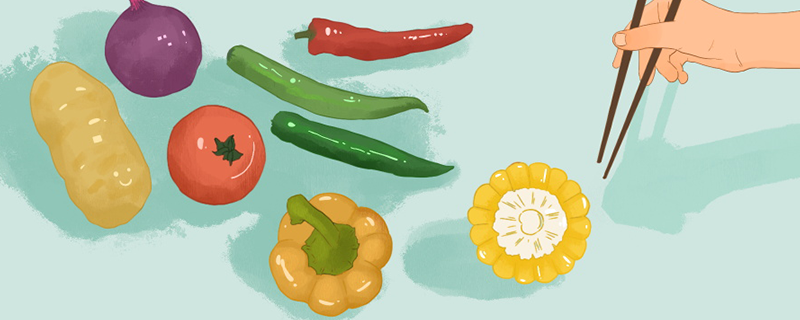
Dietary Considerations for Individuals with Breast Disease
Patients with breast disease should maintain a light, balanced diet rich in fresh vegetables and fruits—particularly those high in vitamins, such as oranges, orange juice, and papaya. These foods possess antioxidant properties that may help prevent malignant transformation of breast lesions. Emphasis should be placed on easily digestible foods while avoiding high-fat, high-oil, and deep-fried items.
Following diagnosis, patients often experience reduced immune resistance; therefore, consuming high-protein foods—such as free-range eggs and fresh shrimp—can help enhance immunity and improve antiviral and anti-infective capacity. Patients should also avoid wild game and unhygienic or contaminated foods.
Additional Information: Key Precautions for Breast Disease
1. Dietary modifications remain the most critical and fundamental aspect of management. Specifically, avoid spicy and stimulating foods—including chili peppers and ginger—as well as raw, cold, or hard-textured foods. Also avoid hormone-rich foods such as fried chicken and beef or lamb raised with hormonal supplementation, as excess hormones may promote the development or progression of breast disease.
2. Adjust lifestyle habits: avoid staying up late, emotional stress, suppressed anger, and wearing overly tight undergarments; instead, opt for comfortable, well-fitting bras.
3. Eliminate harmful habits: quit smoking and alcohol consumption, reduce prolonged sitting, and incorporate regular physical activity—all of which contribute to breast disease prevention.
The above outlines key dietary considerations for individuals with breast disease. We hope this information is helpful to you.






