


What Are the Causes of Itching in the Male Genital Area?

Itching in the male genital area is a relatively common symptom. What are the possible causes?
Causes of Genital Itching in Men
In most cases, genital itching in men may result from phimosis (excessively long foreskin), scrotal eczema, or balanitis. A detailed analysis follows:
1. Phimosis
When the foreskin is excessively long, it hinders proper hygiene and tends to accumulate smegma—a natural secretion that, when excessive, can irritate the local skin and cause itching. Patients are advised to consult a physician and consider circumcision, which can effectively alleviate symptoms.
2. Scrotal Eczema
Excessive moisture in the scrotal area may trigger an allergic or hypersensitivity reaction, leading to eczema and associated itching. Under medical guidance, topical corticosteroids such as hydrocortisone cream or desonide cream may be prescribed for treatment.
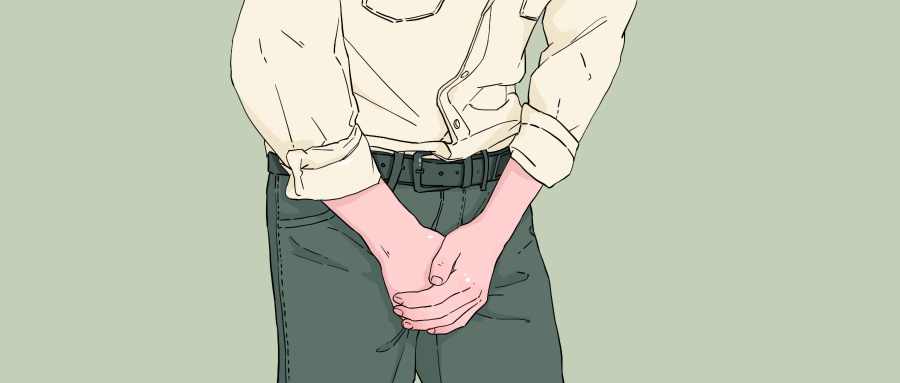
3. Balanitis
Infection of the glans penis leads to balanitis, manifesting as erythema (redness) and itching. If secondary or cross-infection occurs, itching may intensify. Treatment may include antibiotics such as erythromycin or metronidazole, as prescribed by a physician.
In addition to the above common causes, urethritis may also produce similar symptoms. Prompt medical evaluation is recommended to identify the underlying cause and initiate targeted therapy. Daily preventive measures include frequent changing of undergarments, thorough cleaning of the scrotal area, and wearing loose-fitting clothing—especially during summer—to minimize bacterial proliferation.


