What Are the Symptoms of Temporomandibular Joint (TMJ) Arthritis?
Mar 16, 2022
Source: Cainiu Health

Dr. Fu Shaoping
Introduction
What Are the Symptoms of Temporomandibular Joint (TMJ) Arthritis?
1. Limited range of motion—e.g., inability to open the mouth, or restricted mouth opening (i.e., mouth can be opened only slightly).
2. Symptoms of joint structural disorder—e.g., audible clicking or popping sounds during opening or closing of the mouth, along with obvious joint swelling and redness.
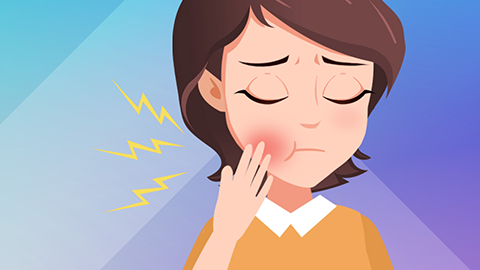
3. Inflammatory symptoms—e.g., marked joint pain and swelling, with pain intensifying during mandibular movement.
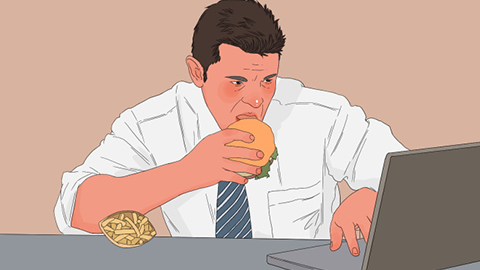
Temporomandibular joint (TMJ) arthritis is the most common oral and maxillofacial disorder encountered in daily life. It primarily results from prolonged use of the temporomandibular joint during chewing and biting—especially when exerting excessive force while biting hard objects—or from chronically consuming tough, difficult-to-chew foods, thereby overloading and fatiguing the joint. So, what are the symptoms of TMJ arthritis? Let’s explore them together.
What Are the Symptoms of TMJ Arthritis?
1. Limited Range of Motion
The most common symptom of TMJ arthritis is restricted movement of the temporomandibular joint—for example, difficulty opening the mouth, or being able to open it only slightly. Marked pain may also occur in the muscles on both sides of the jaw, sometimes radiating as sharp, stabbing pain to the temples. Additionally, audible joint crepitus (clicking or popping sounds) may be heard during jaw movement. Notably, these symptoms tend to be less pronounced upon waking in the morning.
2. Symptoms of Joint Structural Disorder
The most characteristic feature is audible joint clicking or popping during mouth opening or closing. Concurrently, obvious swelling and redness may develop around the joint. If left untreated, chronic progression of the disease may lead to loss of elasticity in the joint disc ligaments and damage to the articular disc itself, resulting in difficulty opening the mouth, pain, and other related symptoms.
3. Inflammatory Symptoms
These symptoms typically manifest during the acute phase of the disease and include marked joint pain and swelling. Pain intensifies with jaw movement; if prolonged, this may lead to malocclusion (inability of teeth to meet properly), difficulty opening the mouth, and deviation of the jaw during opening.
The above outlines the key symptoms of TMJ arthritis. While TMJ arthritis is generally not life-threatening, it can cause significant discomfort and pain. Therefore, proactive prevention in daily life is essential: use your teeth and jaw appropriately—avoid biting excessively hard foods or objects, and refrain from habitual one-sided chewing—to prevent excessive loading and strain on the temporomandibular joint. We hope this information proves helpful to you.