


Can patients with gallstones eat persimmons?
Mar 16, 2022
Source: Cainiu Health

Dr. Mou Dongpo
Introduction
In general, patients with gallstones should avoid eating persimmons during an acute episode of the disease. During this phase, patients typically experience a range of clinical symptoms—including right upper quadrant abdominal pain, nausea, vomiting, abdominal distension, and fever—leading to significant impairment of gastrointestinal function. As a result, dietary intake is inevitably affected; patients are generally advised to temporarily abstain from both food and fluids.
The emergence of stone-related diseases poses significant threats to our health. Gallstones, a highly prevalent type of stone disease, can cause severe harm to one’s physical well-being. Therefore, it is essential to pay close attention to gallstones in daily life and seek timely treatment.
Can patients with gallstones eat persimmons?
Generally, during an acute episode, patients with gallstones should avoid eating persimmons. At this stage, patients often experience a range of clinical symptoms—including right upper abdominal pain, nausea, vomiting, abdominal distension, and fever—leading to significant dietary restrictions. Typically, patients are advised to fast completely (i.e., abstain from both food and fluids) and receive parenteral nutrition to meet their nutritional requirements.
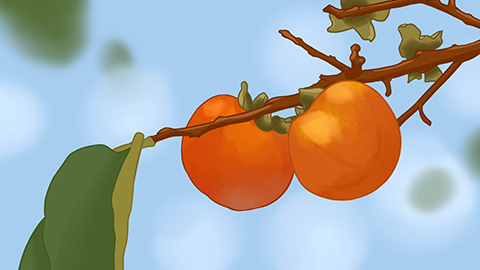
In addition, patients with gallstones must undergo thorough preoperative evaluations and preparations, followed by prompt surgical intervention. After surgery, as the patient gradually recovers, dietary intake may be cautiously resumed. Only then—once recovery is well underway—may patients consume small amounts of persimmons in frequent, modest meals, which supports both recovery and overall health.
We hope the above information is helpful to you.







