


What is the likelihood of pregnancy with coitus interruptus (withdrawal method)?
Coitus interruptus (withdrawal method) carries a relatively low risk of pregnancy, but “low risk” does not mean “no risk.” This method is associated with certain risks and can indeed result in pregnancy. So, what is the actual likelihood of pregnancy with coitus interruptus?
What Is the Pregnancy Risk with Coitus Interruptus?
The probability of pregnancy with coitus interruptus is generally low; however, if intercourse occurs during the woman’s fertile window—particularly around ovulation—the risk increases significantly.
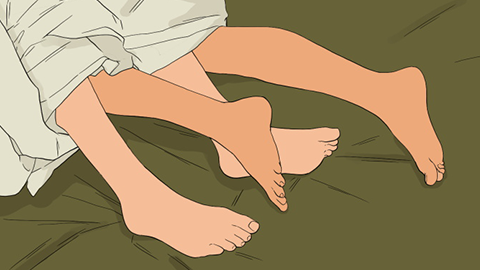
Yes, pregnancy can still occur with coitus interruptus. During sexual intercourse, men secrete pre-ejaculate fluid (pre-cum), which may contain viable sperm capable of entering the vagina. Although ejaculation is withdrawn before deposition inside the vagina, residual sperm in the urethra or pre-ejaculate fluid may already have entered the vaginal canal—posing a real risk of conception.
If a woman is in her ovulatory phase and the man secretes pre-ejaculate fluid from the urethral opening during arousal—a fluid that may contain small numbers of sperm—pregnancy remains possible. Moreover, long-term reliance on coitus interruptus may adversely affect male reproductive health. Prolonged use of this method has been linked to sexual dysfunction, including premature ejaculation and erectile difficulties. Therefore, it is advisable to avoid using coitus interruptus as a primary or long-term contraceptive strategy.

Natural contraceptive methods—including the fertility awareness (calendar) method and coitus interruptus—carry inherent risks. While these approaches may lower the overall chance of conception, they do not eliminate it. Furthermore, chronic use of coitus interruptus may negatively impact male sexual health. For these reasons, it is strongly recommended to avoid prolonged dependence on this method for contraception.
The above addresses the question: “What is the likelihood of pregnancy with coitus interruptus?” We hope this information is helpful to you.


