


How to Treat and Manage Scarring After Mole Removal

Generally, moles do not require treatment. However, since some moles appear on the face, many people choose to have them removed (e.g., via cauterization or laser). If proper post-procedure care—including dietary precautions and wound management—is neglected, scarring may result. So, how should one treat or manage scarring after mole removal? Let’s explore the options below.
How to Treat Scarring After Mole Removal
1. Anti-Scarring Topical Ointments
Topical anti-scarring ointments can be applied directly to the scarred area. With consistent application over time, these ointments help gradually lighten and soften the scar.
2. Laser or Dermabrasion Therapy
For complete removal of post-mole-removal scars, clinical treatments such as laser therapy or dermabrasion are available at hospitals or dermatology clinics. The most appropriate method will be determined by a physician based on the scar’s type, size, depth, and maturity.
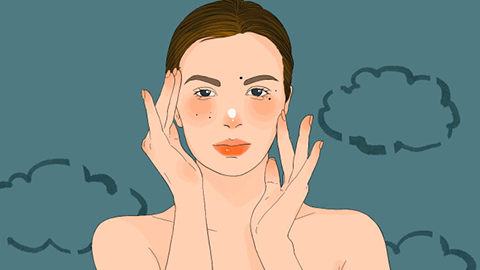
3. Vitamin E
Vitamin E helps maintain skin elasticity and possesses moisturizing and scar-fading properties. Alternatively, lavender essential oil—widely used in cosmetic applications—can also be applied topically and has demonstrated efficacy in reducing scar visibility.
4. Ginger Slices
Fresh ginger slices, gently rubbed over the scarred area, may help inhibit excessive granulation tissue formation—thereby supporting scar reduction.
5. Massage
Daily massage of the scar using the heel of the hand for approximately 5–12 minutes, three times per day, can yield noticeable results—especially when initiated soon after scab formation. However, this method tends to be less effective for older, mature scars.
The above outlines common approaches for managing scarring following mole removal. After mole removal, diligent post-procedural care is essential. Avoid foods rich in pigments or dark coloring agents—such as soy sauce, vinegar, and cola—as they may increase the risk of hyperpigmentation and scarring. Once a scar has formed, removal becomes significantly more challenging. We hope this information proves helpful to you.


