


Is nephrectomy necessary for renal necrosis?

Renal necrosis primarily results from pre-existing kidney stones or recurrent urinary tract infections causing renal damage, as well as renal tumors and uremia.
Is Nephrectomy Necessary for Renal Necrosis?
When renal necrosis occurs, surgical removal (nephrectomy) is generally required. If left untreated, the necrotic tissue may persist in the body and trigger infection—potentially progressing to sepsis.
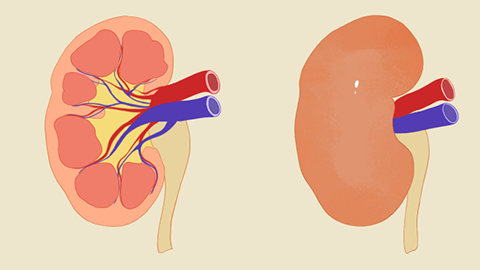
When renal necrosis occurs, surgical removal is typically indicated, as prolonged retention of necrotic tissue within the body increases the risk of infection and potentially life-threatening sepsis. Surgical options include open nephrectomy or laparoscopic nephrectomy. Each approach has distinct advantages and disadvantages: Open surgery involves a larger incision and slower recovery but places lower demands on cardiopulmonary function and allows greater flexibility in anesthesia selection—such as epidural anesthesia—which may reduce financial burden for patients. In contrast, laparoscopic surgery offers smaller incisions, faster recovery, and improved cosmetic outcomes.
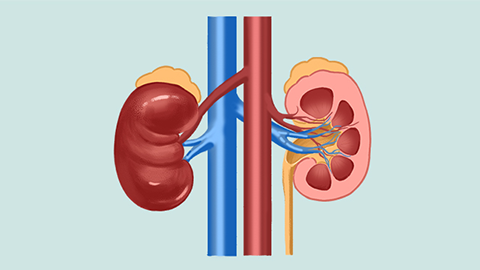
Drug-induced renal necrosis is increasingly common. Many over-the-counter medications—including cold remedies, anti-inflammatory analgesics, weight-loss drugs, and certain traditional Chinese herbal medicines—possess nephrotoxic potential. These agents are widely available and frequently used without medical supervision; thus, individuals lacking pharmacological knowledge are at heightened risk of inadvertent renal injury. Additionally, obesity predisposes individuals to chronic conditions such as hypertension and diabetes mellitus. Poor long-term control of these diseases can progressively impair renal function and indirectly lead to renal necrosis.
The above addresses the question of whether renal necrosis requires surgical removal. We hope this information is helpful to you.


