


What does “Grade III cleanliness” mean?

Under normal circumstances, a cleanliness grade III finding in gynecological vaginal discharge examination is an important evaluation parameter used to assess the degree of cleanliness of the vaginal environment and to detect the presence of inflammation or infection.
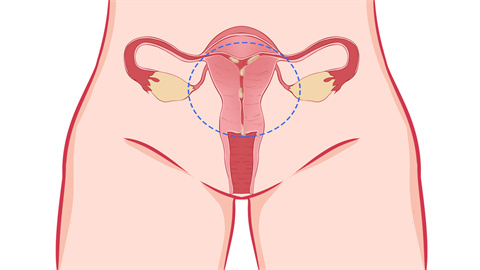
Cleanliness grade III indicates a relatively high number of white blood cells and mixed bacteria in the vaginal discharge, along with a reduced number of epithelial cells—typically suggesting mild vaginal inflammation. Vaginal cleanliness is generally classified into four grades: I, II, III, and IV. Grades I and II indicate a relatively healthy vaginal environment, characterized by appropriate levels of beneficial bacteria as well as normal numbers of white blood cells and epithelial cells. In contrast, grades III and IV suggest the presence of vaginal inflammation or infection. Cleanliness grade III is thus an important reference indicator in vaginal discharge examinations, aiding clinicians in diagnosing vaginal inflammation and guiding treatment decisions.
If cleanliness grade III is diagnosed, patients should follow their physician’s instructions for daily care. Maintaining good hygiene habits—such as bathing regularly and changing undergarments frequently—and performing proper perineal cleansing can further promote overall health.


