


What are the symptoms of hilar lymph node tuberculosis?

Hilar lymph node tuberculosis presents with symptoms including cough, fever, night sweats, weight loss, fatigue, and lymphadenopathy. Patients are advised to seek prompt medical attention and adhere strictly to their physician’s treatment plan. The following outlines the pathophysiology and clinical features:
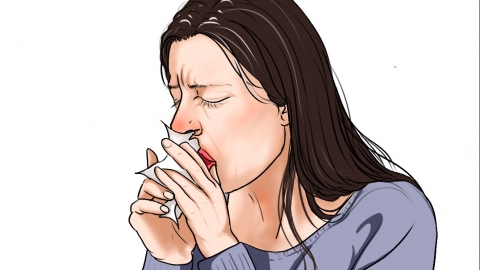
1. Cough: Enlargement of hilar lymph nodes exerts mechanical irritation and compression on the trachea and bronchi, increasing airway sensitivity and triggering the cough reflex. A persistent cough is common; initially, it is typically non-productive (dry), but as the disease progresses, small amounts of white sputum may appear.
2. Fever: Mycobacterium tuberculosis and its toxins stimulate the host immune system, disrupting hypothalamic thermoregulation—leading to increased heat production and relatively reduced heat dissipation—manifesting classically as low-grade fever occurring regularly in the afternoon.
3. Night sweats: Tuberculous toxins impair autonomic nervous system function, causing dysregulation of sweat gland secretion. During nocturnal sleep, relative sympathetic hyperactivity triggers excessive sweating—characterized by prominent sweating after falling asleep, which ceases upon awakening.
4. Weight loss and fatigue: Proliferation of Mycobacterium tuberculosis consumes substantial host nutrients, while concurrently compromising normal gastrointestinal digestion and absorption. This results in systemic energy and nutritional deficits, leading to progressive weight loss and generalized fatigue.
5. Lymphadenopathy: Hilar lymph node tuberculosis can spread via lymphatic drainage to involve adjacent lymph nodes—a hallmark of mycobacterial infection, proliferation, and dissemination within the lymphatic system. Enlarged lymph nodes may be palpable in the neck; they are typically firm, mobile, or occasionally fixed due to adhesions.
Patients must strictly adhere to the prescribed anti-tuberculosis regimen, taking medications—including rifampicin tablets, isoniazid tablets, and ethambutol hydrochloride tablets—exactly as directed by their physician to prevent drug resistance. Nutrition should be balanced and adequate; rest should be prioritized, and physical exertion avoided. Regular follow-up assessments—including liver and renal function tests and chest imaging—are essential to monitor disease progression and detect potential drug-related adverse effects. Additionally, patients should practice appropriate personal hygiene and infection control measures to prevent transmission of Mycobacterium tuberculosis to others.


