


How Can High Uric Acid Levels Be Lowered?

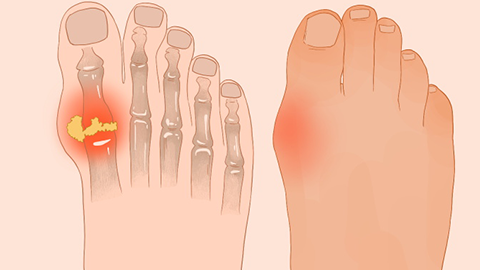
Most cases of hyperuricemia result from disordered purine metabolism within the body. Elevated uric acid levels can trigger gout, which—once acute—causes severe pain and significantly impairs patients’ normal work and daily life. So, how can elevated uric acid be effectively lowered? Let’s explore the answer below.
How to Lower Elevated Uric Acid Levels
1. Dietary Control
Limit intake of high-purine foods, such as organ meats, seafood, beer, spirits, and carbonated beverages. Also, moderate consumption of staple carbohydrates. Adopt a light, low-salt, low-fat, and low-sugar diet, and avoid spicy or irritating foods. Drink plenty of water to promote uric acid excretion.
2. Medications that Promote Uric Acid Excretion
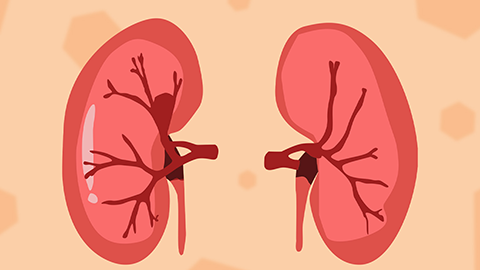
Drugs such as benzbromarone enhance uric acid excretion. It is essential to identify underlying causes of impaired uric acid excretion—for example, renal dysfunction, diabetic nephropathy, or hypertensive nephropathy—and implement targeted treatment accordingly to lower serum uric acid levels.
3. Medications that Inhibit Uric Acid Production
These include allopurinol and febuxostat. In addition, regularly monitor serum uric acid levels and consider appropriate use of sodium bicarbonate (baking soda) to alkalinize urine, thereby reducing the formation of tophi and urinary stones and facilitating uric acid excretion.
4. Lifestyle Modifications
Avoid staying up late, excessive fatigue, and urinary retention; engage in regular, moderate physical activity. Suitable exercises for individuals with hyperuricemia include swimming, jogging, and skipping rope. Exercise intensity should be carefully controlled—avoid overexertion or rushing progress.
The above outlines effective strategies for lowering elevated uric acid levels. Upon detection of hyperuricemia, prompt consultation at a medical facility for standardized uric acid–lowering therapy is essential. Concurrently, maintaining healthy lifestyle and dietary habits significantly contributes to successful uric acid management. We hope this information proves helpful to you.


