


What Are the Symptoms of Low Renin Activity?

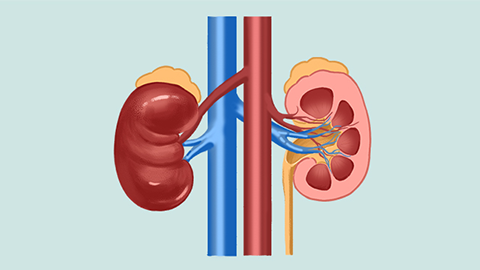
Renin is primarily produced, stored, and secreted by juxtaglomerular cells in the kidneys. Renin activity declines with age, and measuring renin activity holds significant diagnostic value for renal vascular diseases and primary aldosteronism. So, what symptoms may occur when renin activity is low? Let’s explore this together.
What Symptoms Are Associated with Low Renin Activity?
Low renin activity can manifest with several symptoms. Renin—also known as angiotensinogenase—plays a key role in blood pressure regulation; thus, reduced renin activity often leads to hypotension, fatigue, lethargy, and, in many patients, cerebral hypoxia resulting in dizziness, lightheadedness, excessive sleepiness, and, in severe cases, syncope. Additionally, diminished renin activity disrupts endocrine function, causing rapid vasodilation and impairing the body’s ability to regulate normal blood pressure fluctuations. It may also affect the secretion of aldosterone and antidiuretic hormone (ADH), leading to diminished thirst sensation and reduced water intake.
Low renin activity requires medical intervention—either through traditional Chinese medicine (TCM) regulation or antihypertensive medications. Since low renin activity correlates closely with elevated plasma aldosterone levels (i.e., high aldosterone suppresses renin production), antihypertensive therapy helps stabilize aldosterone concentrations and thereby improves renin activity. Patients with low renin activity commonly experience dizziness and fatigue; without timely treatment, these symptoms can significantly impair daily functioning. Even after initiating treatment, vigilance must be maintained: regular follow-up visits to the hospital are essential, along with dietary adjustments such as increased intake of nutrient-rich, high-protein foods—all of which support improved renin activity. Adequate rest is also crucial in daily management.
We hope the above information is helpful to you.


