


Can patients with nephritis soak their feet?

Chronic nephritis refers to primary glomerulonephritis. Patients with this condition typically present with proteinuria and hematuria. Some may also develop lower-limb edema or facial edema, gross hematuria, increased urinary foam, and hypertension, among other clinical manifestations. So, can patients with nephritis soak their feet? Let’s explore this further.
Can patients with nephritis soak their feet?
Patients with nephritis who have no special contraindications may safely soak their feet. Soaking the feet before bedtime offers two main benefits: first, it helps alleviate generalized fatigue and promotes systemic circulation; second, it improves sleep quality.
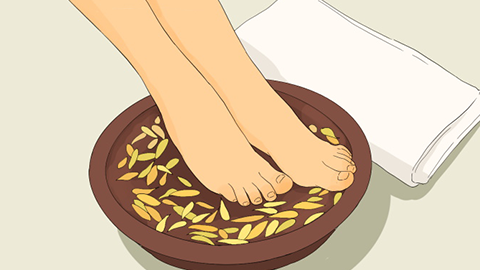
However, foot soaking is generally not recommended for nephritis patients experiencing severe edema. In cases of severe or even profound edema, the skin and mucous membranes become thin, and localized fluid exudation may occur. Under such conditions, foot soaking increases the risk of scalds and other injuries. Moreover, drying the feet after soaking may easily cause local mucosal damage. Therefore, whether foot soaking is appropriate must be determined on an individual basis.
Additionally, it is important to note that most patients with nephritis develop hypertension. During periods of unstable blood pressure control or while undergoing antihypertensive drug therapy, it is generally advisable to avoid using excessively hot water for foot soaking, as this may cause transient vasodilation, leading to significant blood pressure fluctuations and symptoms such as dizziness.
We hope the above information is helpful to you.


