


Is rabies immunoglobulin mandatory?

Rabies immune globulin (RIG) is derived from human serum containing sufficient rabies virus–neutralizing antibodies—i.e., immunoglobulins—produced in individuals following rabies vaccination. These immunoglobulins are then purified from the donor’s serum to yield rabies immune globulin. So, is rabies immune globulin mandatory?
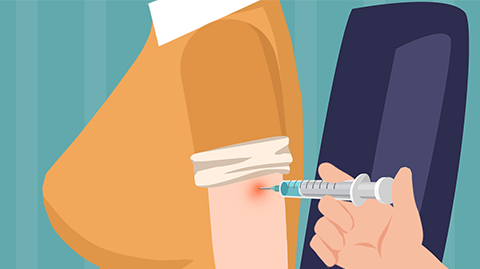
Is rabies immune globulin mandatory?
Rabies immune globulin is not always required. If you sustain a superficial scratch or bite from a cat, dog, or other animal without bleeding, rabies vaccination alone is generally sufficient. However, if the wound bleeds, administration of rabies immune globulin is essential—because RIG acts rapidly and provides immediate passive immunity against the rabies virus.

This is because rabies has an incubation period—typically 1 to 3 months—during which the virus replicates before clinical symptoms appear. Rabies vaccination takes time to stimulate the body’s active immune response and generate protective antibodies. As long as the vaccine is administered promptly, the risk of developing rabies during this window remains extremely low, and full protection can be achieved. However, if the bite causes bleeding, the incubation period may shorten, as the rabies virus could enter the central nervous system more rapidly. In such cases, human rabies immune globulin (HRIG) is administered to provide immediate, passive antibody protection—bridging the critical gap until the vaccine-induced immune response becomes effective. Without this immediate antibody coverage, the risk of rabies infection increases significantly.
The above addresses the question of whether rabies immune globulin is mandatory. We hope this information is helpful to you.


