


What should I do about pericoronitis of wisdom teeth during breastfeeding?

Pericoronitis of the third molar—commonly referred to as “wisdom tooth pericoronitis”—is a frequently encountered oral condition in clinical practice, predominantly affecting young adults. Based on its clinical presentation, pericoronitis can be classified into two types: acute and chronic. So, what should be done if pericoronitis occurs during lactation? Let’s explore this together.
Management of Pericoronitis During Lactation
Treatment principles focus on enhancing the patient’s systemic resistance, controlling infection, and promoting resolution of inflammation. After the acute phase subsides, surgical intervention on the affected tooth should be considered to prevent recurrence.
1. Systemic treatment: Antibiotics and heat-clearing, detoxifying traditional Chinese herbal medicines may be prescribed according to disease severity. However, given that you are breastfeeding, local treatment should be prioritized.
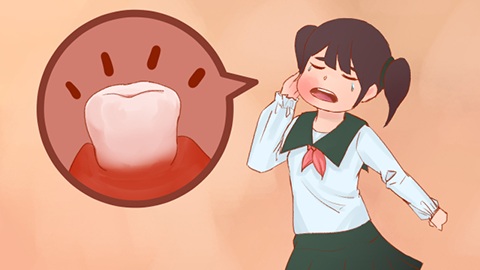
2. Local treatment: Local management plays a crucial role in treating pericoronitis. The pericoronal pocket (blind pouch) should be irrigated daily with 1–3% hydrogen peroxide solution followed by saline irrigation. Subsequently, iodine glycerin may be applied into the pocket. Additionally, mouth rinses with compound borax solution or furacilin solution may be used three to five times daily.
3. Surgical treatment: Once the acute inflammatory phase has resolved, definitive management of the causative tooth is recommended to prevent recurrence. If the wisdom tooth is properly positioned, fully erupted, and opposes a functional antagonist tooth capable of supporting mastication, a gingival flap excision around the crown may be performed. Otherwise, extraction should be considered.
Causes of Wisdom Tooth Pericoronitis
1. Incomplete eruption of the wisdom tooth
As age advances, the jawbone gradually narrows, leaving progressively less space for teeth—particularly the third molars—to erupt fully. Consequently, only part of the wisdom tooth crown emerges, often at a marked angle. These teeth typically erupt between ages 18 and 25. Incomplete eruption leads to crowding and pressure on adjacent teeth, resulting in formation of a pericoronal pocket (blind pouch), which provides an ideal environment for bacterial colonization.
2. Bacterial infection
A blind pouch forms between the partially erupted tooth and overlying gingiva, easily trapping food debris. The warm, moist microenvironment within this pocket favors bacterial proliferation—especially anaerobic bacteria—and routine brushing fails to adequately clean it. This predisposes the area to infection and inflammation, potentially progressing to abscess formation in severe cases.
We hope the above information is helpful to you.


