What herbal remedies are used for urethral stones?
Mar 21, 2022
Source: Cainiu Health

Dr. Wang Jianlong
Introduction
Patients with urethral calculi may use traditional Chinese herbal medicines—such as *Lysimachia christinae* granules or Shenshitong tablets—for symptomatic oral administration. These patent medicines, which promote diuresis and resolve dampness, help increase urine production in the urinary system; the resulting urinary flow can facilitate the expulsion of small stone crystals. However, they have no significant therapeutic effect on larger urethral calculi.
For the treatment of urethral calculi, traditional Chinese medicine (TCM) for stone expulsion can yield favorable results—provided patients receive syndrome-differentiated herbal therapy. In cases where stones are relatively small, TCM treatment often proves effective. So, which herbal remedies are suitable for urethral calculi? Let’s explore this further.
Herbal Remedies for Urethral Calculi
Patients with urethral calculi may opt for oral administration of herbal preparations such as Lysimachia christinae granules or Shenshitong tablets, both of which promote diuresis and resolve dampness. These formulations stimulate increased urine production by the urinary system, thereby facilitating the natural passage of small calculi through urinary flushing. However, they demonstrate limited efficacy against larger urethral stones. Therefore, if a patient experiences unobstructed urination and takes Lysimachia christinae granules or Shenshitong tablets for one week but subsequent imaging still reveals persistent urethral calculi, prompt referral to a urologist is essential—and surgical intervention may be necessary.
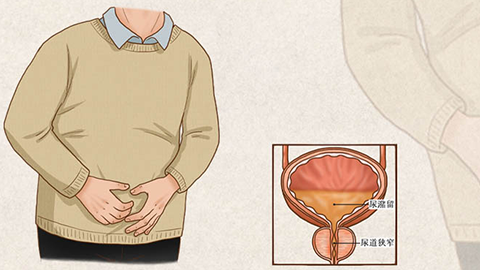
Generally, large calculi are difficult to expel solely with medication; thus, therapeutic selection must be individualized based on clinical presentation. Moreover, TCM treatment requires careful syndrome differentiation, necessitating professional guidance from a qualified TCM practitioner when selecting herbal formulas. For anterior urethral calculi, local mucosal anesthesia—using oxybuprocaine gel—may be administered, followed by direct extraction of the calculus using forceps. In contrast, posterior urethral calculi cannot be safely extracted this way; instead, they must first be gently pushed into the bladder, followed by cystoscopic holmium laser lithotripsy.
We hope the above information is helpful to you.