


Does a person with diabetes insipidus still urinate even if they do not drink water?

Diabetes insipidus (DI) is a renal disease that must not be overlooked, with polyuria as its primary clinical manifestation. Once developed, it impairs kidney function and leads to symptoms such as polydipsia, polyuria, and dehydration—potentially affecting overall health. So, do patients with diabetes insipidus still urinate even if they do not drink water? Let’s explore this further.
Do patients with diabetes insipidus still urinate without drinking water?
Yes, patients with diabetes insipidus continue to urinate even without drinking water. In other words, urinary output in DI is not directly correlated with fluid intake—neither the presence nor the amount of water consumed. While drinking water helps alleviate symptoms and improve prognosis, it does not fundamentally correct the underlying pathophysiology. This is because the excessive urination in DI is not primarily driven by changes in intravascular volume or effective circulating blood volume following fluid intake. Rather, it stems from either central hypothalamic lesions causing reduced secretion of antidiuretic hormone (ADH), or from nephrogenic resistance to ADH—two principal mechanisms responsible for DI.
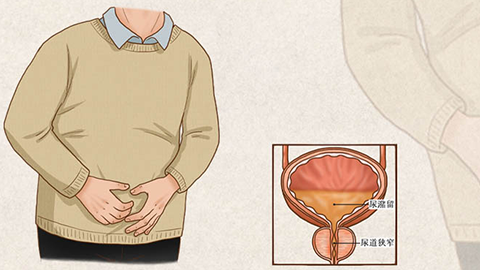
Therefore, urinary output bears little direct relationship to fluid intake; instead, it reflects systemic hormonal dysregulation—specifically, impaired ADH synthesis, secretion, or action. Consequently, maintaining adequate hydration is critically important for patients with DI: only timely and sufficient fluid replacement can effectively control symptoms. It is absolutely unscientific—and potentially life-threatening—to assume that withholding fluids will reduce urine output. Severe dehydration may rapidly develop, disrupting electrolyte balance, acid-base homeostasis, and plasma osmolality. Only prompt and appropriate rehydration can partially mitigate these serious complications.
We hope the above information is helpful to you.


