


What does claustrophobia mean?

As living standards improve, people face increasingly greater life pressures—leading to a growing prevalence of psychological issues. Although modern society places special emphasis on mental health, this has not reversed the trend of rising numbers of individuals experiencing psychological problems. One such condition is claustrophobia. But what exactly is claustrophobia? Let’s explore this together.
What Is Claustrophobia?
Claustrophobia is a type of anxiety disorder, formally known as “claustrophobia” or “fear of confined spaces.” It is a classic psychological disorder commonly observed in individuals with relatively low psychological resilience. Affected individuals experience intense anxiety and tension when in enclosed spaces, accompanied by symptoms such as fear, sweating, palpitations, shortness of breath, and even a sensation of impending death. In severe cases, panic attacks may occur. Once removed from such environments, patients’ behavior and psychological state typically return rapidly to normal.
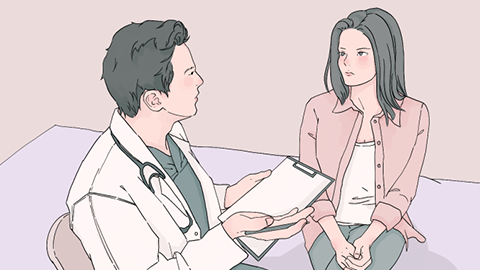
Symptoms of claustrophobia are triggered specifically within confined spaces—for example, narrow indoor rooms, vehicle cabins, airplane cabins, or train carriages. Severely affected individuals may even experience panic and terror in dark environments—for instance, while watching a movie in a cinema, sleeping in a bedroom at night without turning off the lights, or avoiding underground passageways or mountain tunnels. These sudden physical symptoms arise from an innate physiological response, beyond conscious control, and can significantly impair daily functioning.
For example, some individuals cannot tolerate elevators and feel extremely tense or fearful inside them. Others experience claustrophobic episodes during cranial MRI scans—when lying inside the MRI machine—a very common occurrence.
The exact cause of claustrophobia remains undetermined. However, it is generally believed that many patients experienced psychological trauma during childhood, leaving lasting emotional scars and resulting in diminished feelings of security toward the real world. Anxiety and fear emerge when familiar safety cues are absent. In some cases, claustrophobia may stem from personality traits such as paranoia.
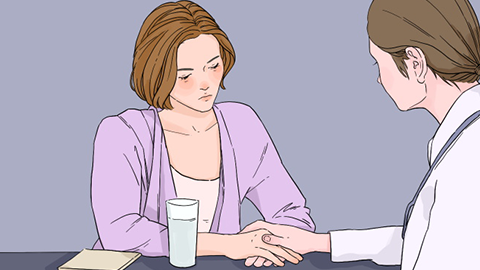
The above explains what claustrophobia is. Psychological health issues among modern populations are becoming increasingly prevalent—and must never be overlooked. If you notice persistent low mood, frequent insomnia or excessive sleepiness, or persistent fatigue and lack of energy, it is highly advisable to consult a mental health professional. Maintaining sound psychological well-being helps prevent serious mental disorders. Conditions like claustrophobia require proactive treatment to avoid progressively worsening impacts on daily life. We hope this explanation has been helpful to you.


