


Does long-term consumption of Ophiopogon japonicus (Maidong) cause side effects?
Ophiopogon japonicus (also known as dwarf lilyturf or “mai dong”) is a commonly encountered plant. Its small tuberous roots are also used in traditional Chinese medicine (TCM); when people refer to “mai dong,” they typically mean these medicinal roots, which possess significant therapeutic value. So, does long-term consumption of mai dong cause adverse effects?

Does Long-Term Consumption of Mai Dong Cause Adverse Effects?
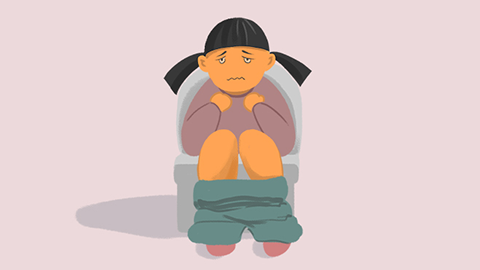
Mai dong functions to nourish yin, moisten the lungs, benefit the stomach, promote fluid production, clear heat from the heart, and alleviate restlessness. It exhibits excellent yin-nourishing effects and is clinically employed to treat conditions such as dry cough due to lung dryness, chronic cough from yin deficiency, pharyngitis, sore throat, stomach-yin deficiency, internal heat-induced diabetes mellitus (xiao ke), and intestinal dryness with constipation. However, mai dong is relatively cold in nature; thus, prolonged use is not recommended for individuals with spleen-stomach deficiency-cold. Long-term intake may lead to symptoms such as spleen deficiency, diarrhea, and loose stools.
Mai dong contains abundant bioactive alkaloids—including β-sitosterol—as well as amino acids and vitamins. It demonstrates anti-fatigue, free-radical-scavenging, and hypoglycemic effects. Additionally, it possesses sedative, hypnotic, anti-myocardial ischemia, anti-arrhythmic, and anti-tumor properties—offering multiple health benefits for elderly individuals. Moreover, mai dong promotes recovery of pancreatic islet function and increases hepatic glycogen storage, thereby contributing to blood glucose regulation. Its primary TCM indications include nourishing yin and promoting fluid production, moistening the lungs, and clearing heat from the heart. It is used for dry cough due to lung dryness, chronic cough resulting from deficiency syndromes, thirst, insomnia, internal heat-induced diabetes mellitus, and constipation. It also soothes the throat and may be applied in treating hemoptysis, pulmonary pain, pulmonary fistula (fei lou), and lung abscess (fei yong).
The above addresses the question of whether long-term consumption of mai dong causes adverse effects. We hope this information proves helpful to you.


