


When Is the Best Time to Take Motilium?

Domperidone (Motilium®) is a commonly used medication in clinical practice for treating gastrointestinal disorders. It effectively promotes gastrointestinal motility and accelerates food digestion, making it suitable for managing delayed gastric emptying as well as nausea and vomiting caused by various etiologies. So, when is the optimal time to take domperidone? Let’s explore this further.
When Is the Best Time to Take Domperidone?
Domperidone should ideally be taken 15–30 minutes before meals. Taking it on an empty stomach—i.e., before eating—ensures rapid drug absorption and prompt action on the gastrointestinal tract, thereby enhancing gastric emptying. Peak plasma concentrations of domperidone occur approximately 20–30 minutes after oral administration. If taken after meals, food may interfere with drug absorption, resulting in reduced bioavailability, delayed onset of action, diminished therapeutic efficacy, and potentially increased hunger sensation in some patients. Additionally, decreased absorption leads to lower plasma drug concentrations.

Domperidone—also known as cisapride (note: correction—domperidone is not cisapride; the Chinese text mistakenly refers to domperidone as “panlitong,” which is actually the Chinese name for domperidone)—is primarily indicated for patients with dyspepsia, gastric distension, nausea, vomiting, belching, and epigastric pain. Its principal mechanism involves promoting gastric emptying via antagonism of dopamine D2 receptors, directly acting on the gastrointestinal smooth muscle. It increases lower esophageal sphincter tone to prevent gastroesophageal reflux and enhances gastric peristalsis. Domperidone also suppresses nausea and vomiting and effectively prevents bile reflux.
Furthermore, domperidone can alleviate upper abdominal bloating and pain, and provides symptomatic relief for nausea and vomiting localized to the upper abdomen. The typical dosage is three times daily, administered orally. Concurrently, patients should pay attention to dietary habits—avoiding hard-to-digest or irritating foods is strongly recommended.
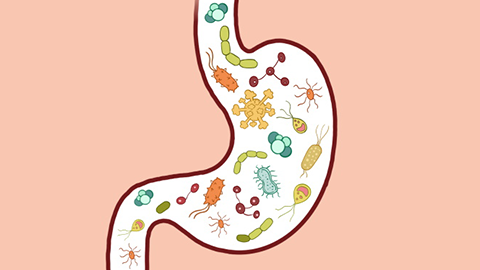
The above outlines the optimal timing for domperidone administration. Additionally, domperidone has been shown to elevate serum prolactin levels in women, thereby supporting postpartum lactation to some extent. However, domperidone should always be used under medical supervision—self-medication is strongly discouraged. We hope this information proves helpful.


