


What Causes Breast Pain in a 45-Year-Old Woman?
Mar 22, 2022
Source: Cainiu Health
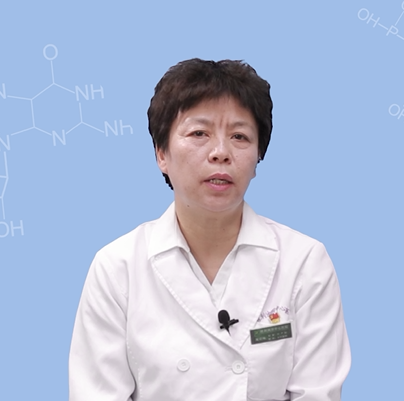
Dr. Yin Hongmei
Introduction
Breast pain and tenderness in a 45-year-old woman may be caused by conditions such as mastitis or mammary gland hyperplasia.
1. Mastitis: Typically results from bacterial infection secondary to decreased immune resistance. Key clinical manifestations include breast lumps, nipple retraction, and symptoms such as breast pain and distension. In severe cases with fever, abscess formation and mammary fistulas may develop.
In daily life, women naturally experience sexual intimacy. While this brings satisfaction and relaxation, many women report physical discomfort following intercourse—particularly breast tenderness, a common complaint.

What Causes Breast Tenderness in Women Aged 45?
Breast tenderness in women aged 45 may stem from conditions such as mastitis or mammary gland hyperplasia.
1. Mastitis: Typically results from bacterial infection due to lowered immunity. Key symptoms include breast lumps, nipple retraction, breast pain, and tenderness. In severe cases with fever, abscess formation or mammary fistula may occur. Treatment under medical supervision may include antibiotics such as phenoxymethylpenicillin potassium capsules or roxithromycin capsules.
2. Mammary Gland Hyperplasia: Often caused by hormonal imbalance—specifically elevated estrogen levels. Primary symptoms include cyclical breast tenderness, especially before menstruation. Palpation may reveal multiple soft, round or oval nodules of varying sizes within the breast tissue, with no adhesion to surrounding structures. Under physician guidance, medications such as Rupi Sanjie Granules or Rupi Qing Tablets may be prescribed.
Maintaining a positive mental state and engaging in regular outdoor physical activity can effectively enhance overall immunity.
Intense breast tenderness accompanied by marked tenderness upon palpation may indicate localized breast infection, potentially leading to various breast disorders. Pulsating pain strongly suggests localized abscess formation. If you experience pronounced breast swelling, significant tenderness, or pulsating pain, promptly seek evaluation at a reputable hospital and follow your physician’s recommended treatment plan.
We hope the above information is helpful. Wishing you a happy and healthy life!






