


Can dopamine treat Parkinson’s disease?
Mar 22, 2022
Source: Cainiu Health
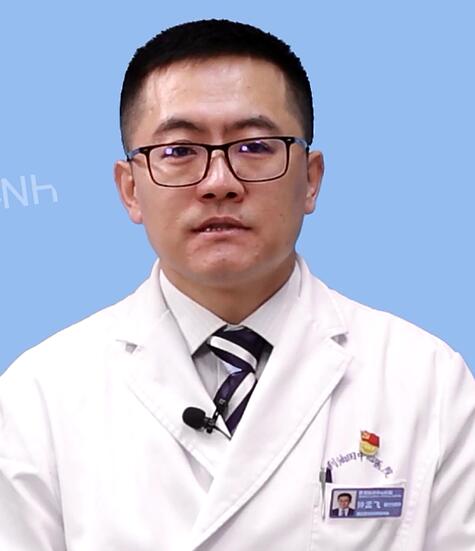
Dr. Zhong Mengfei
Introduction
Dopamine cannot be used directly to treat Parkinson’s disease. Clinically, dopamine is an emergency medication with potent cardiotonic and pressor effects; however, due to its relatively large molecular weight, it cannot cross the blood–brain barrier to exert therapeutic effects in the central nervous system. Therefore, levodopa—the metabolic precursor of dopamine—is used clinically to treat Parkinson’s disease. Numerous medications are available for Parkinson’s disease, but levodopa-based agents remain the most fundamental and effective treatment.
Dopamine is a neurotransmitter—a chemical substance that helps transmit nerve impulses between cells. This brain-secreted compound is associated with human libido and emotional perception, conveying signals related to excitement and pleasure. Additionally, dopamine is implicated in various addictive behaviors. So, can dopamine treat Parkinson’s disease? Let’s explore this further.
Can dopamine treat Parkinson’s disease?
Dopamine itself cannot be used directly to treat Parkinson’s disease. Clinically, dopamine is employed as an emergency medication—primarily for its potent cardiotonic and pressor effects. However, due to its relatively large molecular weight, dopamine cannot cross the blood-brain barrier to exert therapeutic effects within the central nervous system. Therefore, clinicians use levodopa—the metabolic precursor of dopamine—as the primary pharmacological treatment for Parkinson’s disease. Among the many available medications for Parkinson’s disease, levodopa-based drugs remain the most fundamental and effective option. Treatment typically begins with a low dose administered two to three times daily, taken either one hour before or two hours after meals.

Other therapeutic options include dopamine receptor agonists, which are commonly prescribed for early-onset patients during the initial stages of the disease—for example, pramipexole hydrochloride. These agents are also initiated at low doses, with gradual upward titration until optimal clinical benefit is achieved without unacceptable adverse effects. Additional medications include trihexyphenidyl, amantadine, rasagiline, and entacapone. Importantly, all oral medications must be taken strictly as prescribed by a physician, and regular outpatient follow-up visits are essential.
The above information is for reference only. Specific treatment regimens should follow the instructions provided with each medication or be determined by a qualified physician at a reputable medical institution. We hope this information is helpful to you.






