


What Are the Early Signs of Psychosis?
Mar 23, 2022
Source: Cainiu Health

Dr. Li Qi
Introduction
Psychiatric disorders—also known as mental disorders—may initially manifest as personality changes, such as a previously outgoing individual suddenly becoming withdrawn and uncommunicative, or alterations in sleep patterns—for example, difficulty falling asleep. Somatic symptoms—including headache and easy fatigability—may also occur. During medication treatment, patients should avoid alcohol consumption and limit intake of stimulants or excitatory substances, such as coffee, tea, and spicy foods (e.g., chili peppers), as these may reduce drug efficacy and exacerbate the condition.
Psychiatric disorders—also referred to as mental illnesses—are typically characterized by dysfunction in brain activity resulting from a combination of biological, psychological, and external social factors. This dysfunction leads to disturbances in cognitive processes, emotions, volition, and behavior—core domains of mental activity. What, then, are the early warning signs of psychiatric disorders? The following section addresses this question.
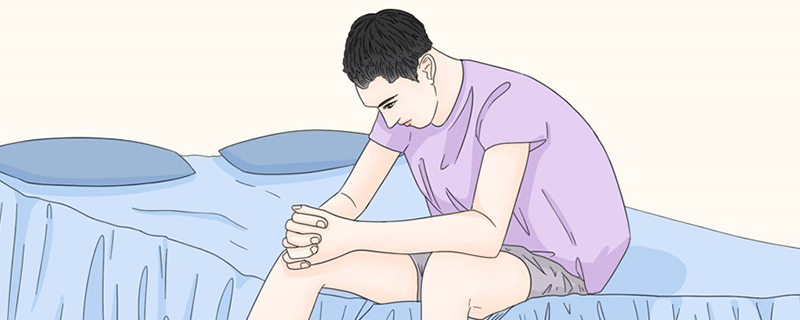
What Are the Early Warning Signs of Psychiatric Disorders?
Psychiatric disorders—also termed mental disorders—may initially manifest as personality changes. For example, an individual who was previously outgoing may suddenly become withdrawn and uncommunicative. Sleep disturbances—such as difficulty falling asleep—may also occur, along with somatic symptoms including headache and persistent fatigue.
Mental disorders refer to conditions in which disturbances in brain function, precipitated by various psychological and socio-environmental factors, lead to varying degrees of impairment in cognition, emotion, volition, and behavior. Etiological factors include genetic predisposition, infections, and stressful life events. Treatment requires long-term adherence and typically involves antipsychotic medications such as chlorpromazine and perphenazine, alongside adjunctive agents—for instance, antidepressants (e.g., imipramine, amitriptyline), mood stabilizers for mania (e.g., sodium valproate, phenobarbital), and psychotherapy.
During pharmacotherapy, patients must avoid alcohol consumption and limit intake of stimulants or excitatory substances—including coffee, tea, and spicy foods—to prevent reduced drug efficacy or symptom exacerbation. Family members should exercise patience and refrain from scolding or physically punishing the patient, as such actions may adversely affect emotional stability and hinder disease management.
The above outlines the early warning signs of psychiatric disorders. We hope this information proves helpful.



