


What medication should be taken for pain after dental filling?
Mar 23, 2022
Source: Cainiu Health

Dr. Qiang Yanli
Introduction
In general, after a dental filling, tooth pain can be managed with anti-inflammatory medications such as amoxicillin or cephalosporins combined with metronidazole tablets. If the pain is severe, analgesics—such as lappaconitine tablets or ibuprofen capsules—may also be taken concurrently. However, medication only provides temporary symptomatic relief and does not address the underlying cause. It is essential to identify the precise cause of the pain.
Dental restoration (commonly referred to as “filling a cavity”) is a procedure that uses artificial materials to repair tooth structure lost due to decay, wedge-shaped defects, trauma, or other causes. The materials used for such repairs are called restorative (or filling) materials. Restoration is indicated whenever tooth structure is compromised—whether by dental caries, non-carious cervical lesions (e.g., wedge-shaped defects), or trauma—in order to restore both the tooth’s original shape and its functional integrity. So, what medications should be taken if pain occurs after a dental restoration? Below, we address this question.
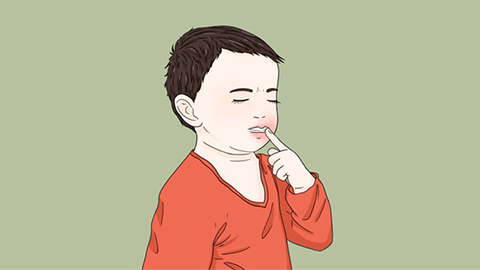
What Medications Should Be Taken for Pain After Dental Restoration?
In general, post-restoration tooth pain may be managed with anti-inflammatory medications, such as amoxicillin or cephalosporins combined with metronidazole tablets. If pain is severe, analgesics—such as lappaconitine hydrobromide tablets or ibuprofen capsules—may be added. However, medication only provides temporary symptomatic relief and does not address the underlying cause.
To eliminate pain permanently, it is essential to identify its root cause. Typically, two scenarios are most common: First, pain may arise following caries removal and subsequent restoration with dental materials—this could indicate pulpitis, which warrants further evaluation by a dentist. A cold- and heat-sensitivity test (thermal testing) can help determine whether pulpitis is present.
If pulpitis is confirmed, root canal treatment is required to remove the inflamed or infected dental pulp. Second, if pain occurs after root canal treatment has already been completed, possible causes include residual pulpitis or periapical inflammation triggered by irritation from root canal filling materials. In such cases, retreatment of the root canal may be necessary.
We hope the above information is helpful to you.



