What do the fingernails of selenium-deficient individuals look like?
Mar 24, 2022
Source: Cainiu Health

Dr. Liu Zhengxin
Introduction
1. Brittle texture: The nails are relatively fragile and prone to splitting or cracking during trimming; therefore, extra caution is required when cutting them.
2. Pallor: The nail color becomes pale due to selenium deficiency–induced anemia, manifesting as a loss of the normal pinkish hue.
3. Loss of luster: The nail surface loses its natural shine or appears cloudy.
The human body requires only trace amounts of micronutrients. As long as one maintains a balanced daily diet rich in fruits and vegetables, micronutrient levels remain stable. However, many individuals consume an overly limited diet during their youth, leading to imbalances—and even deficiencies—of essential trace elements in the body. So, what do the fingernails of selenium-deficient individuals look like? Below, we address this question.
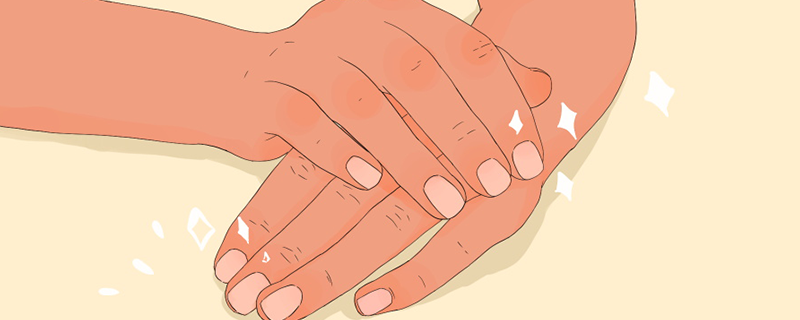
What Do the Fingernails of Selenium-Deficient Individuals Look Like?
Common nail changes associated with selenium deficiency include: increased brittleness, pallor, diminished luster, roughened surface texture, and slowed nail growth.
1. Increased Brittleness: Nails become fragile and prone to splitting or cracking during trimming—requiring extra caution when cutting or filing.
2. Pallor: Nails appear unusually pale due to selenium deficiency–induced anemia, resulting in loss of the normal pinkish hue.
3. Reduced Luster: Nails lose their natural shine and may appear dull or cloudy.
4. Rough Surface Texture: Horizontal or vertical ridges may develop, reducing smoothness; small grooves and fine lines may also appear.
5. Slowed Growth: Selenium deficiency can impair nail matrix activity, leading to noticeably slower nail growth.
Selenium deficiency can be corrected through dietary sources. Common selenium-rich foods include mushrooms, lean meats, oysters and other seafood, as well as organ meats. Selenium-containing dietary supplements are also available. Selenium is a vital trace element with diverse physiological roles in the human body, though daily requirements are minimal.
The above outlines characteristic nail changes associated with selenium deficiency. We hope this information is helpful to you.