


试管婴儿畸形率高吗
Mar 24, 2022
Source: Cainiu Health
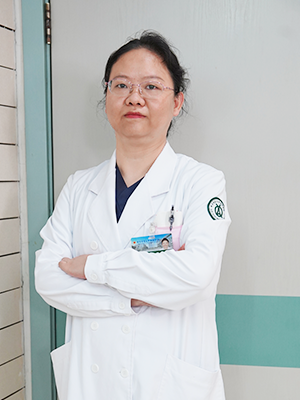
Dr. Cao Ting
Introduction
试管婴儿,是将女方的卵子取出体外,在体外与男方的精子结合,形成胚胎后再移入女方子宫里的一个过程。试管婴儿,同自然怀孕一样,都有可能发生流产、宫外孕、胎儿畸形、死产、死胎等,异常的情况;但是,目前没有证据表明,试管婴儿的畸形率更高。
In vitro fertilization (IVF), commonly known as “test-tube baby” technology, refers to a procedure in which eggs and sperm are retrieved separately from the female and male partners, respectively, and then combined in a laboratory culture medium to achieve fertilization. The resulting embryo(s) are subsequently transferred back into the mother’s uterus for further development into a fetus. IVF has become a widely adopted option for many couples experiencing infertility; however, numerous individuals still lack a comprehensive understanding of the process. So, is the incidence of congenital malformations higher among IVF-conceived babies? Below, we address this question.

Is the congenital malformation rate higher among IVF-conceived babies?
IVF involves retrieving the woman’s eggs outside her body and fertilizing them with the man’s sperm in vitro; the resulting embryos are then transferred into the woman’s uterus. Like natural conception, IVF pregnancies carry risks of complications such as miscarriage, ectopic pregnancy, fetal congenital malformations, stillbirth, and intrauterine fetal demise. However, current evidence does not indicate that IVF-conceived babies have a higher risk of congenital malformations compared to naturally conceived infants.
In IVF, selection of high-quality embryos for transfer can help reduce the likelihood of embryonic developmental abnormalities caused by genetic disorders or poor gamete quality (i.e., suboptimal sperm or egg quality). Moreover, preimplantation genetic testing (PGT)—used in third-generation IVF—enables screening of embryos for specific genetic conditions, thereby lowering the risk of transmitting inherited diseases. Therefore, it is inaccurate to claim that IVF-conceived children have a higher incidence of congenital malformations than those conceived naturally.
Additionally, individual variations in physical health lead to differing probabilities of successful conception, with prenatal chromosomal abnormality screening representing the most significant bottleneck in clinical practice.
We hope the above information is helpful to you.




