


Earliest Symptoms After Successful Implantation
Mar 28, 2022
Source: Cainiu Health
Dr. Yang Qiong
Introduction
Earliest signs of successful implantation:
I. A drop in basal body temperature (BBT): To understand what “implantation dip” means, one must first understand implantation. Implantation refers to the process by which the early embryo of viviparous mammals adheres to the uterine wall, thereby establishing structural connections between mother and fetus to enable nutrient and gas exchange.
II. Increased breast tenderness and softness: The breasts may feel tender, softer, and swollen.
Every woman’s body constitution is unique, and thus symptoms following embryo implantation may vary. Some women have highly sensitive bodies and experience noticeable sensations after implantation, while others feel absolutely nothing. In fact, subtle physiological changes do occur after implantation; however, without careful daily observation, these changes are often difficult to detect. By paying attention to bodily symptoms, one can gain insight into whether implantation has successfully occurred.
Earliest Signs of Successful Implantation
I. A Slight Drop in Basal Body Temperature
The fertilized egg travels slowly through the fallopian tube (over 3–5 days), undergoing repeated cell divisions to form a morula before entering the uterine cavity. It continues developing into a blastocyst (also called a blastula). The blastocyst is surrounded by the zona pellucida and relies on uterine “milk”—secretions from uterine glands—for nourishment and further development. As the blastocyst grows, the zona pellucida expands, thins, and eventually ruptures (or dissolves), allowing the embryo to escape from its envelope. The trophoblast cells—outer layer of the embryo—become exposed and directly contact the endometrium. Implantation is a critical early stage in embryonic development for viviparous mammals.
II. Softer, Tender Breasts
If your breasts feel tender, swollen, or unusually soft, you may be pregnant. These symptoms can appear just days after conception. If you suddenly find your breasts unrecognizable, pregnancy could be the cause. Don’t worry—this discomfort typically subsides as your body adjusts to the surge of hormones, and breast tenderness will gradually ease.
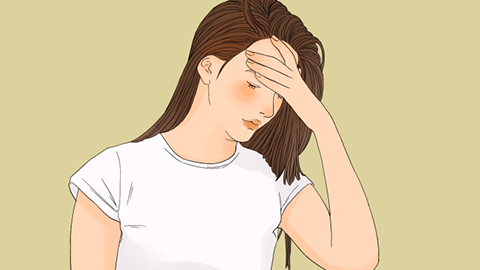
III. Persistent Fatigue
Are you suddenly feeling exhausted—even if you’re usually full of energy? This fatigue is often due to a sharp rise in progesterone (a key hormone). Nearly all pregnant women experience this symptom. You may wish to monitor other signs as well to confirm your suspicions.
IV. Increased Urination
Have you become a frequent visitor to the bathroom—even waking up at night to urinate? Blame it on your tiny new life! Once the fertilized egg implants into the uterine wall, it begins secreting human chorionic gonadotropin (hCG). If nighttime trips to the bathroom are becoming tiresome, don’t fret—consider this an early rehearsal, because soon enough, your baby will be waking you up in the middle of the night, crying for food long before you’re fully aware!
V. Light Spotting or Cramping
Approximately eight days after ovulation and implantation, you may notice light pink or brown spotting, possibly accompanied by mild cramping. While light spotting can sometimes occur during your expected menstrual period, this is not true menstruation—it results from the fertilized egg embedding itself into the uterine lining.
We hope the above information is helpful to you.




