


How long does it take for medication to work in treating intestinal tuberculosis?

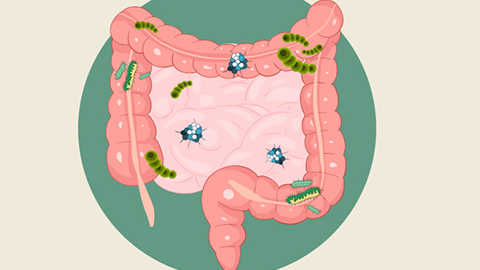
Intestinal tuberculosis is a disease caused by infection of the intestinal tract with *Mycobacterium tuberculosis*. Typically, pulmonary tuberculosis develops first, after which *M. tuberculosis* from the lungs invades the digestive system, leading to intestinal tuberculosis. So, how long does it take for medication to show effectiveness in treating intestinal tuberculosis? Let’s explore this further.
How Long Does Medication Take to Show Effectiveness in Intestinal Tuberculosis?
Generally, patients with intestinal tuberculosis require anti-tuberculosis drug therapy, and treatment must last at least six months to achieve significant clinical improvement. Commonly used anti-tuberculosis drugs include isoniazid, rifampicin, and pyrazinamide. These medications must be administered strictly under the guidance of a qualified physician to ensure safety and efficacy. Treatment must begin early, continue throughout the full course, and follow a regular dosing schedule—interruptions must be avoided entirely. During treatment, maintaining the patient’s fluid and electrolyte balance is essential, and active nutritional support should be provided to promote healthy and smooth recovery.
However, for some patients with intestinal tuberculosis who develop complications such as gastrointestinal bleeding, intestinal perforation, or intra-abdominal infection, prompt surgical intervention may also be required to achieve definitive cure and safeguard the patient’s health. Treatment typically consists of two phases: an intensive phase lasting approximately two months, followed by a continuation (consolidation) phase lasting about four months. During this period, enhanced daily care is crucial—including adequate hydration, sufficient rest, and a light, easily digestible diet.
We hope the above information is helpful to you.


