


How to Prevent Postoperative Intestinal Adhesions

Intestinal adhesions primarily refer to abnormal adhesions occurring between intestinal loops, between intestinal loops and the peritoneum, or between intestinal loops and other intra-abdominal organs. They can be classified into two types: congenital and acquired. Congenital adhesions are relatively rare and may result from developmental anomalies or meconium peritonitis. Acquired adhesions are more common and are often caused by intra-abdominal surgery or trauma. So, how can postoperative intestinal adhesions be prevented? The following addresses this question.
How to Prevent Postoperative Intestinal Adhesions
Prevention of postoperative intestinal adhesions involves two key aspects: (1) surgical technique during the operation, and (2) active functional rehabilitation after surgery. Specific considerations during surgery include:
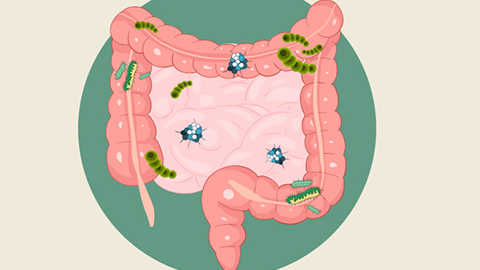
1. Minimize operative time. Thoroughly irrigate the abdominal cavity to avoid residual food debris or purulent exudate. Limit the duration of intestinal exposure to air; if exposure is unavoidable, cover exposed bowel with large moist gauze pads. Prior to entering the abdominal cavity, rinse off talcum powder (if present) from surgical gloves using normal saline.
2. Apply chitosan or sodium hyaluronate to lubricate the intestinal surface and reduce adhesion formation. Regarding postoperative functional rehabilitation, patients should mobilize early—getting out of bed as soon as possible—and avoid overeating or binge eating. Maintain regular, balanced meals and engage in light physical activity after meals to promote recovery.
Additionally, patients should keep the surgical wound clean postoperatively and begin ambulation early. During home recovery, adequate rest is essential, and heavy physical labor should be avoided until full recovery is achieved. After a period of recovery, follow-up examinations should be conducted as directed by the physician.
We hope the above information is helpful to you.


