


What is bronchiolitis pneumonia?

In clinical practice, physicians encounter various types of pneumonia—ranging from mild to severe—and caused by diverse pathogens, including bacteria, viruses, *Mycoplasma pneumoniae*, and *Chlamydia*. Moreover, the clinical features of pneumonia differ across age groups. So, what exactly is “maozhi pneumonia”? Let’s explore this condition together.
What Is Maozhi Pneumonia?
“Maozhi pneumonia” is a colloquial abbreviation for pediatric bronchiolitis pneumonia. Clinically, it predominantly affects infants and young children. The primary site of involvement is the bronchioles—small airways within the lower respiratory tract—making it an acute lower respiratory tract infection. It most commonly occurs in children under two years of age, with the highest incidence observed between one and six months.
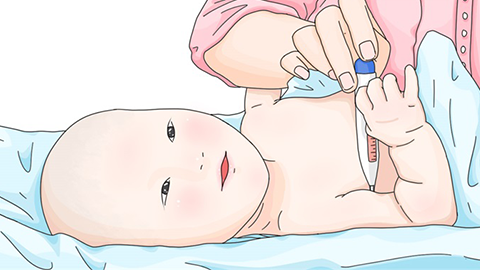
Patients typically present with characteristic symptoms of cough, wheezing, and hypoxia. Viral infections are the most common etiology; frequent causative agents include respiratory syncytial virus (RSV), adenovirus, and influenza virus. Clinical manifestations often include persistent dry cough and paroxysmal dyspnea. In more severe cases, patients may develop emphysema, pallor, and cyanosis. Once diagnosed, prompt clinical management is essential—including airway clearance (e.g., effective expectoration), oxygen supplementation to correct hypoxia, bronchodilation to relieve wheezing, and correction of fluid and electrolyte imbalances.
We hope the above information is helpful to you.


