


Dietary Precautions After Fibroadenoma Surgery

Fibroadenoma of the breast is a relatively common breast disorder, often associated with hormonal imbalances in the body. Its typical symptom is a palpable breast lump, sometimes accompanied by mild pain. Surgery remains the primary treatment modality. In addition to surgical intervention, dietary care plays a crucial role in the management of patients with breast fibroadenoma. So, what dietary precautions should be observed following fibroadenoma surgery? Let’s explore them below.
Dietary Precautions After Fibroadenoma Surgery
1. Prioritize High-Protein, Low-Fat Foods
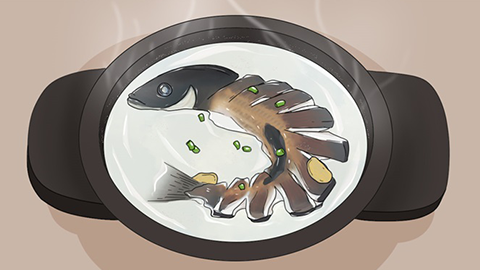
Include dairy products, fish, legumes, and eggs in the diet to increase intake of essential amino acids, which support recovery.
2. Avoid Certain Foods (Dietary Restrictions)
Breast fibroadenoma has a relatively high recurrence rate; therefore, strict dietary restrictions are essential. Avoid spicy, stimulating, or “heat-inducing” foods (e.g., seafood, lamb, bamboo shoots, and certain mushrooms), as well as raw, cold, or hard foods that may impede wound healing. Also avoid foods rich in estrogen—such as braised chicken prepared with hormone-containing feed—as elevated estrogen levels may trigger recurrence of fibroadenoma.
3. Maintain Balanced Nutrition
Postoperative patients should follow a balanced, varied diet incorporating both plant- and animal-based foods. This ensures adequate nutritional intake. Emphasize vitamin-rich foods, especially fresh fruits and vegetables—including carrots, Chinese cabbage, celery, apples, kiwifruit, and coconuts—to promote recovery. Given the patient’s post-surgical physical weakness, it is also beneficial to consume foods that invigorate blood circulation, resolve blood stasis, tonify Qi, and nourish blood—such as black fungus, goji berries, red dates, and lean meats—to consolidate therapeutic effects and accelerate wound healing.

The above outlines key dietary considerations following fibroadenoma surgery. Indeed, numerous dietary precautions apply postoperatively. Appropriate nutritional care not only aids in disease regulation but also significantly helps prevent recurrence. Additionally, patients should avoid frequent late-night activity, ensure sufficient sleep, and refrain from excessive physical exertion or emotional stress—all of which contribute to optimal recovery. We hope this information proves helpful to you.


