


Treatment of Intestinal Polyps

Intestinal polyps are a common disorder of the gastrointestinal (GI) tract, characterized by abnormal growths of tissue arising from the intestinal mucosa. The incidence of this condition increases with age and can occur anywhere along the GI tract; however, it most frequently affects the large intestine, leading to colonic or rectal polyps. Some polyps carry a risk of malignant transformation, underscoring the importance of timely diagnosis and treatment. So, what are the available treatment options for intestinal polyps? Let’s explore them below.
Treatment Options for Intestinal Polyps
1. Endoscopic Treatment
Endoscopic removal of rectal polyps is currently the most commonly used clinical approach. This method offers the advantages of minimal patient trauma and small incision size. Endoscopic intervention is generally indicated only for polyps exhibiting features suggestive of malignancy or those causing clinically significant symptoms. Several endoscopic techniques are available; pedunculated polyps are particularly suitable for endoscopic resection. For larger pedunculated polyps, a high-frequency electrocautery snare can be placed around the polyp’s stalk and excised in a single procedure.
2. Surgical Treatment
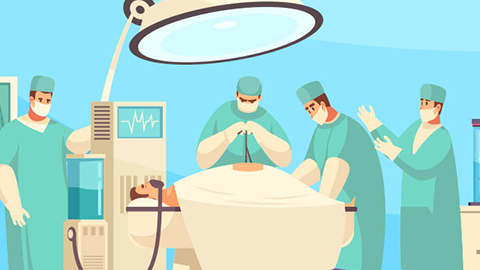
Surgery is indicated when endoscopic resection is incomplete, for adenomatous polyps, or for polyps of unclear etiology. The choice of surgical procedure depends on the polyp’s size, location, and extent. Common approaches include local excision, segmental bowel resection, subtotal colectomy, or total colectomy. If malignant transformation has occurred, resection must encompass the full depth and lateral extent of tumor infiltration, followed by appropriate adjuvant therapy.
3. Pharmacological Treatment
In mild cases of intestinal polyps, drug therapy may be considered. Under physician guidance, appropriate medications can be selected to alleviate symptoms and help control disease progression.
4. High-Frequency Electrocoagulation Therapy
This is an effective modality for polyp removal. High-frequency electrical current is applied via a snare device to generate localized heat at the tissue interface, resulting in thermal ablation and precise excision of the polyp.

The above outlines the primary treatment options for intestinal polyps. It is essential to seek prompt medical evaluation and management to prevent potential malignant transformation due to delayed treatment. We hope this information proves helpful to you.


