Is it possible to perform a painless gastroscopy without inserting a tube?
Mar 30, 2022
Source: Cainiu Health

Dr. Liu Zhengxin
Introduction
Patient在做胃镜的Examination时都是通过细长的纤维管,然后把带有探头的镜头深入到Patient的消化道里面,通过镜子来观察Stomach的情况。实际在所有的胃镜Examination里都需要插管,因此没有不需要插管的胃镜,无痛胃镜是Patient在全身麻醉的状态下做胃镜。
Gastric disorders require gastroscopy for definitive diagnosis. However, many individuals feel anxious or fearful about undergoing this procedure—particularly due to concerns about pain. Several types of gastroscopy are available, including conventional (standard) gastroscopy and painless (sedated) gastroscopy performed under anesthesia. So, can painless gastroscopy be performed without intubation? Let’s explore this further.
Can painless gastroscopy be performed without intubation?
During gastroscopy, a slender, flexible endoscope—equipped with a camera at its tip—is inserted through the mouth and advanced into the upper gastrointestinal tract to directly visualize the stomach and other structures. In fact, all forms of gastroscopy require endoscopic intubation; thus, there is no such thing as a “non-intubating” gastroscopy. However, gastroscopy can be broadly categorized into two types: conventional (painful) gastroscopy and painless (sedated) gastroscopy. Painless gastroscopy is performed while the patient is under general anesthesia. Prior to the procedure, an anesthesiologist administers intravenous sedation or general anesthesia, which not only shortens examination time but also eliminates discomfort and pain during the procedure.
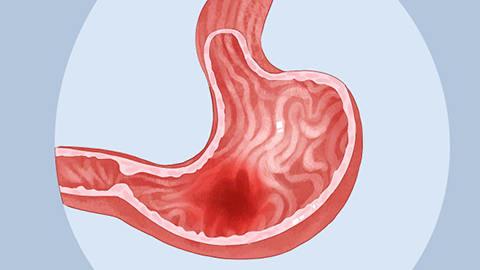
Because patients remain unconscious and feel no pain throughout the procedure, it is termed “painless gastroscopy.” In contrast, conventional gastroscopy typically involves topical anesthesia applied to the throat (e.g., via oral anesthetic spray or gel) before insertion of the endoscope. While this helps reduce gag reflexes and discomfort, patients may still experience sensations of pressure, nausea, or mild distress during the exam. Importantly, regardless of the technique used, intubation remains essential for all gastroscopic examinations—there is no gastroscopy that avoids intubation entirely. For patients who cannot tolerate endoscopic intubation, an alternative diagnostic option is upper gastrointestinal (GI) contrast radiography (barium swallow study).
We hope the above information is helpful to you.