


What Are the Nursing Measures for Scrotal Inflammation?

In recent years, the incidence of scrotal inflammation has been rising annually. Scrotal inflammation is associated with autonomic nervous system dysfunction—such as excessive anxiety, depression, and hyperexcitability—and environmental changes may contribute to neurodermatitis of the scrotum. Modern medicine offers numerous treatment options for scrotal inflammation. However, while actively pursuing treatment, patients often overlook essential nursing measures. So, how should scrotal inflammation be managed?
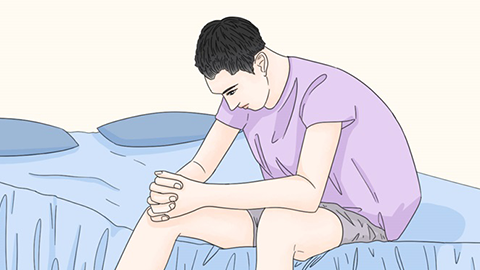
Nursing Measures for Scrotal Inflammation
1. Select Appropriate Antibiotics
For acute scrotal inflammation, antibiotic therapy should continue for 1–2 weeks after all symptoms have completely resolved. For chronic scrotal inflammation, treatment should last at least four weeks to consolidate therapeutic efficacy. Based on clinical experience, intravenous administration of cephalosporins or quinolones (e.g., ofloxacin) yields favorable outcomes.
2. Bed Rest
Maintain regular bowel movements; laxatives may be used appropriately under medical supervision.
3. Limit Sexual Activity
This helps reduce genital congestion. Patients with chronic scrotal inflammation may undergo regular (once or twice weekly) seminal vesicle and prostate massage. This serves two purposes: first, to improve blood circulation in the prostate and seminal vesicles; second, to facilitate drainage of inflammatory exudates.
4. Maintain a Regular Lifestyle
Balancing work and rest is essential. Smoking, alcohol consumption, and spicy or irritating foods must be strictly avoided.
Men diagnosed with scrotal inflammation are advised to seek prompt medical evaluation and follow their physician’s treatment plan closely, while adhering to appropriate nursing measures. Self-medication should be avoided to prevent potentially irreversible complications.


