What Causes Pain in the Male Genital Organs?
Apr 01, 2022
Source: Cainiu Health

Dr. Wang Jianlong
Introduction
In general, conditions such as testicular trauma, orchitis, seminal vesiculitis, and prostatitis can all cause pain in patients. If such symptoms occur, patients are advised to consult a urologist or andrologist. A thorough physical examination, scrotal color Doppler ultrasound, complete blood count (CBC), and prostate fluid analysis should be performed. Typically, patients should also focus on developing and maintaining healthy lifestyle habits.
In daily life, many men may not pay adequate attention to their genital health, potentially leading to inflammation of the genital organs. Once inflammation occurs, it warrants immediate attention, as it is commonly accompanied by significant pain—and sometimes itching.
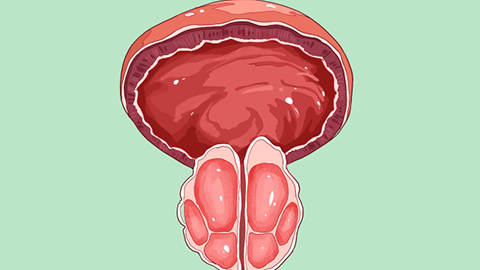
What Causes Pain in the Male Genital Organs?
Generally speaking, pain in the male genital organs may result from conditions such as testicular trauma, orchitis, seminal vesiculitis, or prostatitis. If such symptoms arise, patients are advised to consult a urologist or andrologist for evaluation. A thorough physical examination, scrotal color Doppler ultrasound, complete blood count (CBC), and routine prostate fluid analysis are typically required.
Patients should generally adopt healthy lifestyle habits, maintain perineal hygiene, and change undergarments regularly. For those with traumatic injuries, bed rest is recommended, along with appropriate systemic antimicrobial therapy. Local heat application may also be used to promote recovery. In cases of severe pain, antispasmodic and analgesic medications may be prescribed.
Additionally, patients should routinely clean the prepuce and glans penis to ensure cleanliness and dryness within the preputial cavity. Circumcision is recommended for individuals with phimosis or redundant prepuce. A light, non-irritating diet is advised—spicy and stimulating foods should be avoided. Pharmacological treatment should be administered consistently and completed according to the prescribed course to achieve optimal therapeutic outcomes. Adequate rest and close symptom monitoring are also essential.
We hope the above information is helpful to you.