


What Causes Urgent and Painful Urination?
Apr 01, 2022
Source: Cainiu Health

Dr. Wang Jianlong
Introduction
Urgency and dysuria are most commonly caused by urinary tract infections; they can also result from bladder stones or urethral stones. A definitive diagnosis can be established through urinalysis and urinary system ultrasound. In cases of urinary tract infection, urinalysis typically reveals a significant increase in white blood cells. Clinically, for urinary tract infections…
Urgency refers to an overwhelming, immediate need to urinate as soon as the urge arises, making it difficult for the patient to delay voiding. Dysuria refers to a burning sensation experienced during urination, typically localized to the suprapubic region, perineum, or urethra. So, what causes urinary urgency and dysuria? The following section addresses this question.
Causes of Urinary Urgency and Dysuria
Urinary urgency and dysuria are most commonly caused by urinary tract infections (UTIs). Less frequently, they may result from bladder stones or urethral stones. Diagnosis can be confirmed through routine urinalysis and urinary system ultrasound. In cases of UTI, urinalysis typically reveals a significant increase in white blood cells.
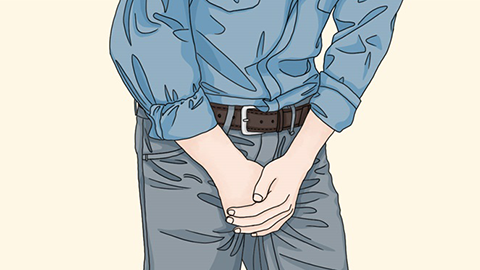
Clinically, urinary urgency and dysuria caused by UTIs are typically treated with antibiotics. Options include second- or third-generation cephalosporins—such as cefixime or cefuroxime axetil granules—as well as fluoroquinolones, such as levofloxacin.
During treatment, patients should follow a light, bland diet, avoiding spicy or irritating foods and alcohol. Increased fluid intake and frequent urination are encouraged. Additionally, certain traditional Chinese patent medicines—such as Sanjin tablets or Ningbitai capsules—may be taken orally to alleviate bladder irritation symptoms. With standardized anti-infective therapy for one week, clinical symptoms generally improve.
Please note that the above information is for reference only. Specific medication use should be determined based on individual circumstances and under the guidance of a qualified physician.
We hope this information is helpful to you.






