


Why Do People Develop Seminal Vesiculitis?

Seminal vesiculitis is a common infectious disease of the male reproductive system. Its primary symptoms include hematospermia (blood in semen), urinary frequency, urgency, dysuria, painful ejaculation, and perineal discomfort. The most common causative pathogens are Staphylococcus aureus, hemolytic streptococci, and Escherichia coli. So, what causes seminal vesiculitis? Below, we address this question.
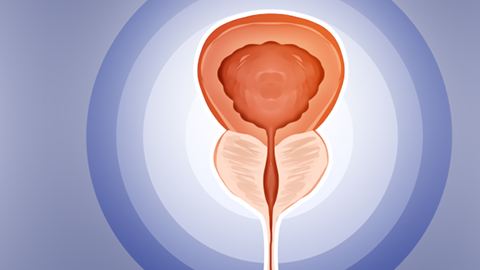
Causes of Seminal Vesiculitis
There are three main routes of infection leading to seminal vesiculitis: First, ascending infection—bacteria enter via the urethra and travel retrograde through the vas deferens to infect the seminal vesicles. Second, lymphatic spread—infection originating from the urinary or genital tract or the gastrointestinal tract spreads to the seminal vesicles via the lymphatic system. Third, hematogenous dissemination—infection from other sites in the body spreads to the seminal vesicles via the bloodstream. Due to the highly folded mucosal surface of the seminal vesicles, bacteria can easily adhere and persist, increasing susceptibility to infection.
If you experience symptoms such as hematospermia, urinary frequency, urgency, dysuria, difficulty urinating, or lower abdominal distension and pain, seminal vesiculitis may be suspected; prompt consultation with a urologist is recommended.In general, patients with seminal vesiculitis are prescribed antibiotics;for cases with negative bacterial cultures, infections caused by Chlamydia or Bacteroides should be considered, and treatment options may include doxycycline, tetracycline, or metronidazole.
However, it is critical to emphasize that all medications must be taken strictly under medical supervision to avoid worsening of the condition. Additionally, patients should ensure adequate rest, abstain from sexual activity, consume more fresh vegetables and fruits, and undergo regular health check-ups for optimal prevention.
We hope the above information is helpful to you.


