


What department should I visit at the hospital for a throbbing headache?

A sensation of head fullness and dull, persistent, generalized headache is commonly reported. This type of headache is often accompanied by a feeling of head pressure, dizziness, or heaviness in the head. If the discomfort manifests as a throbbing or pressing sensation localized to the temples, it may indicate cerebral fatigue. So, which department should you visit for head fullness and pain? Let’s explore this further.
Which Department Should You Visit for Head Fullness and Pain?
If there is a clear history of head trauma, consultation with the Department of Neurosurgery is recommended. In contrast, if head trauma can be ruled out and the headache occurs without other identifiable triggers, referral to the Department of Neurology is advised.
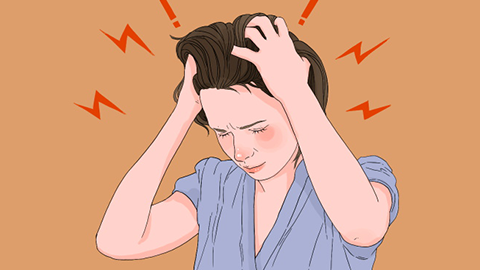
For localized head fullness and pain following head trauma, prompt evaluation at a local hospital’s Department of Neurosurgery is recommended. During the acute phase, a non-contrast cranial CT scan is typically performed to assess for skull fractures or intracranial hemorrhage. Surgical intervention is indicated when appropriate.
In cases without clear surgical indications, conservative management is preferred, along with close monitoring of vital signs. In the absence of trauma, recurrent head fullness and pain are most commonly attributable to migraine or tension-type headache—often triggered by prolonged physical or mental fatigue, emotional stress, insufficient sleep, or excessive psychological pressure. Patients frequently report bilateral frontal or temporal dull, pressing pain, sometimes accompanied by pulsating headache. Nausea and dry retching may also occur to varying degrees.
Additionally, some middle-aged and elderly patients with pre-existing hypertension who have been inconsistently adhering to antihypertensive therapy—and thus maintaining persistently elevated blood pressure—may experience recurrent head fullness and pain.
When recurrent head fullness and pain occur, patients should seek evaluation at the Department of Neurology in a local hospital. A neurologist will assess the clinical presentation and, if necessary, order imaging studies—including cranial CT or MRI—to rule out conditions such as cerebral infarction or cerebral hypoperfusion. For acute migraine or tension-type headache, oral analgesics (e.g., sustained-release ibuprofen capsules) may be prescribed to alleviate pain and improve symptoms. Adopting healthy lifestyle habits—including balanced nutrition, regular sleep patterns, and effective stress management—is essential for preventing future episodes.
We hope the above information is helpful to you.


