


What Are the Symptoms of Polyneuritis?

Polyneuritis, also known as polyneuropathy or peripheral polyneuropathy, can occur at any age and is a collective term for damage to multiple peripheral nerves caused by various factors—including toxins, metabolic or nutritional disorders, infections, allergies, and abnormal immune responses. So, what are the symptoms of polyneuritis? Let’s explore them below.
Symptoms of Polyneuritis
1. Abnormal pain or numbness may occur in both hands or both feet. During active disease, involvement may extend across the entire palm or sole.
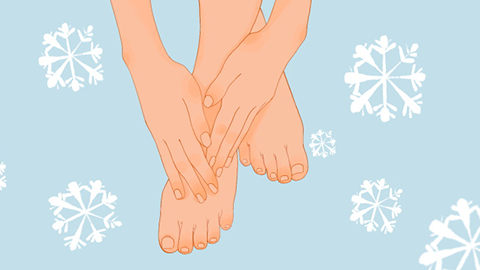
2. Progressive muscle weakness and reduced muscle tone develop, accompanied by diminished or absent deep tendon reflexes—especially ankle reflexes. Fine motor skills become increasingly impaired. Over time, muscles predominantly in the distal limbs begin to atrophy, ultimately leading to loss of functional mobility.
3. Peripheral skin may exhibit signs of poor perfusion: coolness, pallor, cyanosis, and sudomotor dysfunction (e.g., reduced or absent sweating), resulting in dry, rough skin.
4. In severe cases, muscle atrophy and fasciculations may occur. Notable atrophy affects the tibialis anterior and peroneal muscles in the lower limbs, and the interosseous, lumbrical, and thenar muscles in the upper limbs. Foot drop, wrist drop, and steppage gait may develop; in advanced stages, contractures and deformities may arise.
5. Nails may become brittle and prone to splitting; skin may become excessively dry or scaly. Sensory (afferent) nerve involvement may lead to complications such as an atonic bladder, erectile dysfunction, and diarrhea.
The above outlines the characteristic symptoms of polyneuritis. Individuals diagnosed with polyneuritis should seek prompt medical evaluation and treatment upon noticing any abnormalities. Proper dietary management is essential to ensure adequate nutrition. Regular physical exercise is also recommended to enhance cardiopulmonary function and boost immunity. We hope this information proves helpful to you.


