


What Are the Medicines for Nourishing Yin and Tonifying the Kidneys?

Generally, herbs and formulas for nourishing yin and tonifying the kidneys include Guishao Dihuang Wan, Erzhi Wan, Dabuyin Wan, Zuogui Wan, and Liuwei Dihuang Wan. A detailed analysis follows:
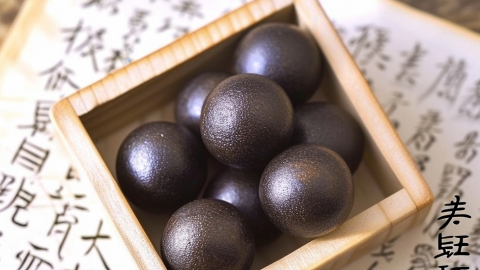
1. Guishao Dihuang Wan
This is a traditional Chinese patent medicine composed primarily of Angelica sinensis (Danggui), Paeonia lactiflora root (Baishao, prepared with wine), Rehmannia glutinosa root (Shudihuang), Cornus officinalis fruit (Zhishanzhuyu), Dioscorea opposita rhizome (Shanyao), Moutan bark (Mudanpi), Alisma orientale rhizome (Zexie), and Poria cocos sclerotium (Fuling). It functions to nourish the liver and kidneys, enrich yin and blood, and clear deficient heat. It is indicated for syndromes of dual deficiency of the liver and kidneys, yin and blood deficiency—manifesting as dizziness, vertigo, tinnitus, dry throat, afternoon feverishness, soreness and pain in the lower back and legs, and heel pain.
2. Erzhi Wan
Erzhi Wan consists of Ligustrum lucidum fruit (Nüzhenzi, steamed) and Eclipta prostrata herb (Mohanlian). It nourishes the liver and kidneys and replenishes yin while stopping bleeding. It is primarily used for liver-kidney yin deficiency presenting with dizziness, vertigo, tinnitus, dry throat and nasal passages, soreness and pain in the lower back and knees, and excessive menstrual bleeding.
3. Dabuyin Wan
Dabuyin Wan comprises Rehmannia glutinosa root (Shudihuang), Anemarrhena asphodeloides rhizome (Zhimu, salt-processed), Phellodendron chinense bark (Huangbai, salt-processed), Testudinis carapax (Guia, vinegar-fried), and porcine spinal cord. Its primary function is to nourish yin and subdue hyperactive fire. It is mainly indicated for yin deficiency with fire exuberance, manifesting as tidal fever, night sweats, cough with hemoptysis, tinnitus, and seminal emission.
4. Zuogui Wan
Zuogui Wan contains Rehmannia glutinosa root (Shudihuang), Dioscorea opposita rhizome (Shanyao), Lycium barbarum fruit (Gouqi), and Cornus officinalis fruit (Shanzhuyu), among others. It is used to treat genuine yin deficiency, presenting as soreness and weakness of the lower back and knees, night sweats, fatigue, and dry mouth. All these ingredients collectively act to nourish kidney yin.
5. Liuwei Dihuang Wan
Liuwei Dihuang Wan comprises Rehmannia glutinosa root (Shudihuang), Cornus officinalis fruit (Jiuyurou), Moutan bark (Mudanpi), Dioscorea opposita rhizome (Shanyao), Poria cocos sclerotium (Fuling), and Alisma orientale rhizome (Zexie). It nourishes yin and tonifies the kidneys. It is primarily indicated for kidney yin deficiency, manifesting as dizziness, tinnitus, soreness and weakness of the lower back and knees, bone-steaming tidal fever, night sweats, and seminal emission.
While taking these medications, it is recommended to maintain healthy lifestyle habits—including regular sleep schedules, adequate rest, improved dietary patterns, and overall physical regulation—to optimize therapeutic efficacy.


