


Is chronic salpingo-oophoritis serious?

The fallopian tubes play a crucial role in female pregnancy. When diseased, the fallopian tubes may suffer impaired function. So, how serious is chronic salpingo-oophoritis?
How serious is chronic salpingo-oophoritis?
If acute salpingitis is not treated promptly or thoroughly, it may progress to the chronic stage over time. In a small number of cases, the causative pathogens are of low virulence, or the host’s immune defenses are robust, resulting in minimal or nonspecific symptoms—leading to oversight or misdiagnosis and delayed treatment. However, with the availability today of potent antibiotics that effectively treat acute salpingo-oophoritis, the likelihood of acute infection progressing to chronic disease has significantly decreased. Tuberculous infection remains the primary exception, as it typically follows a chronic course.
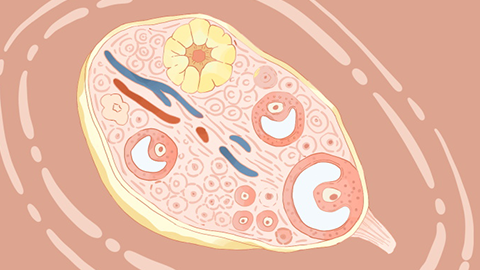
Gynecological examination often reveals cervical ectropion (erosion), outward displacement of the cervix, and mucopurulent vaginal discharge. The uterus is frequently retroverted or retroflexed, with reduced mobility compared to normal; pain is commonly elicited upon movement of the cervix or uterine body. In mild cases, only thickened, cord-like fallopian tubes may be palpated bilaterally in the adnexal regions. In severe cases, irregular, fixed masses of varying sizes may be felt on both sides of the pelvis or posterior to the uterus; these masses are typically tender, thick-walled, and adherent. Large, cystic, tender masses often represent tubo-ovarian abscesses; whereas thin-walled, tense, fluid-filled masses usually indicate hydrosalpinx.
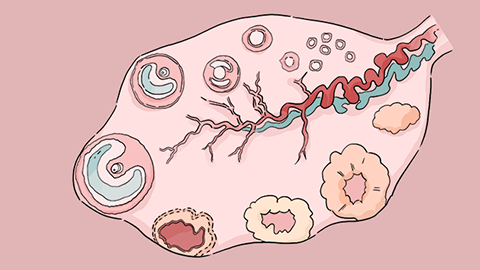
Chronic salpingitis is a serious condition—not only causing pelvic pain and infertility in women, but also markedly increasing the risk of ectopic pregnancy. We hope this information is helpful to you.


