


Can kidney stones cause renal atrophy?
Apr 06, 2022
Source: Cainiu Health

Dr. Zhao Xinju
Introduction
Can kidney stones cause renal atrophy?
Kidney stones generally do not cause renal atrophy. Clinically, the primary conditions leading to renal atrophy are renal artery stenosis and end-stage glomerulonephritis (various types of nephritis). These diseases mainly impair renal blood supply or progressively induce renal fibrosis and shrinkage. Although kidney stones can also cause renal damage, they typically do not result in renal atrophy.
Kidney stones are a common urological condition today. Once developed, they often cause discomfort or pain—most commonly dull aching or colicky pain in the lower back. So, can kidney stones lead to renal atrophy? Let’s explore this further.
Can kidney stones cause renal atrophy?
Generally, kidney stones do not cause renal atrophy. Clinically, the primary causes of renal atrophy are renal artery stenosis and end-stage kidney disease resulting from various types of glomerulonephritis. These conditions impair renal blood supply or induce progressive renal fibrosis and shrinkage. While kidney stones can indeed damage the kidneys, their mechanism of injury is primarily through hydronephrosis. In hydronephrosis, the kidney enlarges due to urine accumulation; the renal parenchyma becomes progressively compressed and thinned, resulting in an overall increase—not reduction—in kidney size. Thus, the kidney appears enlarged rather than atrophied.
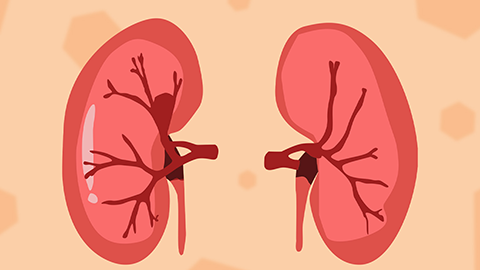
Therefore, if a patient with kidney stones is found to have concurrent renal atrophy, other underlying causes must be actively investigated. At the same time, the kidney stones themselves should also be treated promptly, as their presence continues to pose ongoing risk to kidney function.
Dietary restrictions for patients with kidney stones
1. High-protein foods
Although high-protein foods provide essential nutrients, excessive intake increases the metabolic burden on the kidneys. Chronic overconsumption promotes urinary calcium excretion, elevating calcium levels in the kidneys and thereby increasing the risk of stone formation.
2. High-purine foods
Many gout patients are already aware of the need to avoid high-purine foods. Such foods generate excessive uric acid during metabolism—not only exacerbating gout but also contributing to kidney stone formation. Elevated serum uric acid levels promote calcium salt precipitation within the kidneys, facilitating stone development.
We hope the above information is helpful to you.



