


How to Relieve Gallstone Pain
Apr 06, 2022
Source: Cainiu Health

Dr. Jin Zhongkui
Introduction
Generally, acupressure on the Liver Shu (BL18) and Gallbladder Shu (BL19) points may effectively alleviate pain; heat application is also beneficial for relieving pain associated with gallstones. Additionally, abdominal massage is a commonly employed method for patients experiencing biliary colic. The patient may lie supine or sit comfortably, then place the right hand over the right upper abdomen.
Gallstones refer to a condition in which stones form within the biliary tract—including the gallbladder or bile ducts—causing severe, often excruciating pain during episodes. Moreover, gallstones may chronically irritate the gallbladder wall, increasing the risk of gallbladder cancer—a risk closely linked to dietary habits. So, how can one alleviate gallstone-related pain? Below, we address this question.
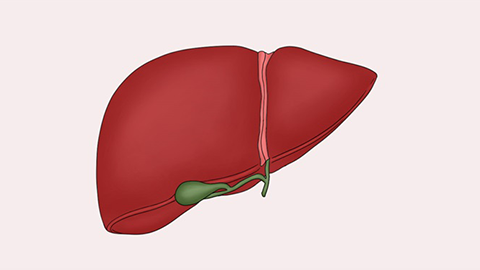
How to Alleviate Gallstone Pain
Generally, acupressure on specific points—such as the Liver Shu (BL18) and Gallbladder Shu (BL19) acupoints—can effectively relieve pain. Heat application (e.g., warm compresses) is also beneficial for alleviating gallstone-associated discomfort. Abdominal massage is another commonly used method. The patient may lie supine or sit comfortably, placing the right hand over the right upper abdomen. Using coordinated movement from the forearm and wrist joint, gentle, uniform clockwise massage is performed for approximately 15 minutes—often providing noticeable pain relief.
Additionally, gua sha (scraping therapy) may be employed: apply a small amount of gua sha oil to the skin, then gently scrape the abdominal and spinal regions. Sublingual nitroglycerin tablets may also be used—but only during acute gallstone attacks and under medical supervision. Under a physician’s guidance, spasmolytic and analgesic medications—such as nonsteroidal anti-inflammatory drugs (NSAIDs), including diclofenac and ketoprofen—may be prescribed.
If gallstones are asymptomatic and relatively small—i.e., solitary stones measuring less than 2 cm in diameter, or multiple stones with the largest measuring under 1 cm—and if the gallbladder wall is not thickened and no chronic inflammation is present, conservative observation may be appropriate.
We hope the above information is helpful to you.



