


Is bone tuberculosis severe?

Bone tuberculosis (TB) is most commonly secondary to pulmonary tuberculosis; however, some patients have no prior history of pulmonary TB and instead present with latent tuberculosis infection. Tuberculosis bacilli typically first infect the lungs; following pulmonary infection, the bacteria can disseminate hematogenously to multiple organ systems throughout the body, leading to skeletal TB, genitourinary TB, gastrointestinal TB, and others. So, how serious is bone tuberculosis? The following section addresses this question.
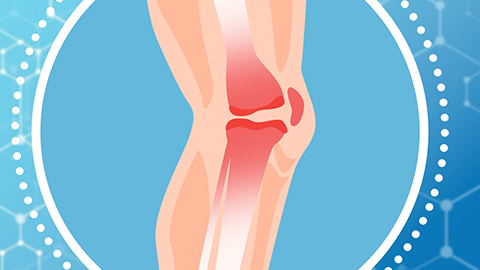
How serious is bone tuberculosis?
Bone tuberculosis is a relatively severe disease. Compared with TB affecting other sites, it poses greater therapeutic challenges. That said, tuberculous meningitis remains the most difficult form of TB to treat. Bone TB is a localized inflammatory condition of the skeletal system caused by Mycobacterium tuberculosis. Clinical manifestations may include systemic “tuberculous intoxication” symptoms—such as fever, night sweats, and weight loss—as well as localized pain and, in some cases, cold abscess formation.
Treatment consists primarily of two components: (1) aggressive anti-tuberculosis chemotherapy—once diagnosed, treatment should begin promptly using a combination of first-line agents, including isoniazid, rifampin, ethambutol, and pyrazinamide;and (2) surgical intervention when indicated—common procedures include lesion debridement and incision and drainage of cold abscesses.
Note that the choice of surgical approach must be individualized based on clinical circumstances. Importantly, anti-tuberculosis therapy must be initiated first and continued for at least two weeks before any surgical intervention is performed.
We hope the above information is helpful to you.


