


Can patients eat fish after rectal cancer surgery?

In rectal cancer—due to its proximity to the anus—the initial presentation of bleeding is often occult (hidden) blood in the stool. Over time, this may progress to overt (visible) bleeding. The blood color typically varies, appearing bright red, dark red, reddish-brown, or jam-like. Additionally, excessive blood loss—without timely iron supplementation—can lead to anemia. So, can patients eat fish after rectal cancer surgery? Let’s explore this further.
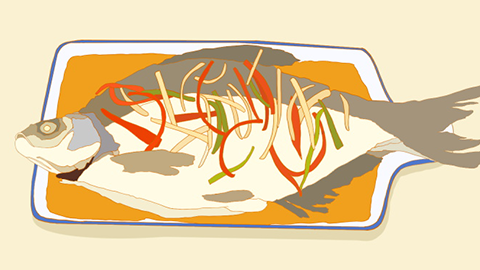
Can patients eat fish after rectal cancer surgery?
Following rectal cancer surgery, patients generally have reduced physical resilience and thus require a nutrient-rich diet to support recovery. Since fish is a high-protein food, it is both safe and beneficial for postoperative rectal cancer patients to consume fish.
Secondly, rectal cancer patients should limit dietary fat intake and strictly avoid spicy or otherwise irritating foods. Increasing dietary fiber intake helps maintain healthy intestinal motility, promotes regular bowel movements, and reduces bacterial proliferation. High-fat foods—including fast food (e.g., McDonald’s), lard, and fried items—should be minimized.
In daily life, maintaining balanced nutrition is essential. Meals should be varied and include ample high-protein, high-vitamin, low-animal-fat, easily digestible, and fresh foods—such as vegetables and fruits. Patients must strictly avoid spicy, stimulating, and greasy foods. Smoking and alcohol consumption are prohibited. Foods that strongly irritate the gastrointestinal tract—such as cold beverages, raw or undercooked foods, and unrefrigerated or improperly stored items—should also be avoided. Alcoholic beverages must be completely eliminated.
We hope the above information is helpful to you.


