


Why Do Infants Spit Up Milk?

Many infants experience spitting up (regurgitation) after feeding, commonly occurring shortly after a feed or when their body position is changed. The amount of milk regurgitated may vary—sometimes small, sometimes larger.
Why Do Infants Spit Up?
1. Improper Feeding Techniques
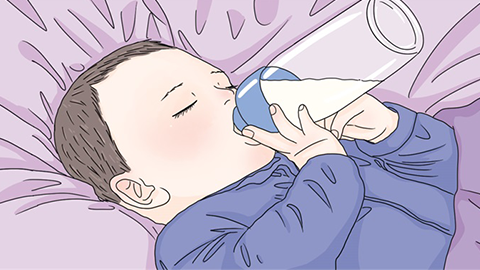
During breastfeeding, if the mother has inverted or flat nipples, the infant may swallow excessive air while suckling, leading to spitting up. In bottle-feeding, ensure the bottle’s nipple is fully submerged in formula to minimize air intake, thereby reducing the risk of spitting up.

2. Gastrointestinal Disorders
Conditions such as abdominal chilling causing gastrointestinal dysfunction, gastroenteritis, bacterial infection, acquired necrotizing enterocolitis, intussusception, intestinal obstruction, congenital megacolon, and hypertrophic pyloric stenosis can all cause infants to spit up.
3. Central Nervous System Disorders
In addition to gastrointestinal causes, central nervous system disorders—including intracranial tumors or intracranial hemorrhage—may also manifest as spitting up in infants.
4. Normal Physiological Phenomenon
Newborns have relatively small stomachs positioned horizontally, and the lower esophageal sphincter is naturally relaxed. Consequently, spitting up after feeding is common and considered physiologically normal. As the infant grows, the stomach enlarges, descends, and assumes a more vertical orientation, gradually reducing the frequency of spitting up.
The above outlines the primary reasons why infants spit up. If your baby appears alert and active after spitting up, and continues to eat, drink, and play normally, you may offer small amounts of warm water for observation and temporarily pause feeding. However, if spitting up occurs frequently or is accompanied by other concerning symptoms, prompt medical evaluation is recommended to avoid potential delays in diagnosis or treatment. We hope this information is helpful to you.


