


What Causes Frequent Spitting Up in Infants?

Many infants experience spitting up (regurgitation) after feeding, commonly occurring shortly after a feed or when their body position is changed. The volume of milk expelled may vary from small to large amounts. So, what causes persistent spitting up in infants? Let’s explore the possible reasons below.
What Causes Persistent Spitting Up in Infants?
1. Improper Feeding Techniques
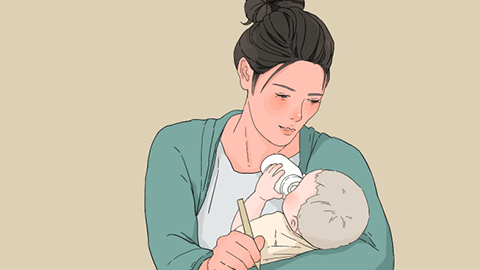
Incorrect positioning during feeding—such as excessive pressure on the infant’s abdomen—can compress the gastrointestinal tract and trigger spitting up. In breastfeeding, if the mother has inverted or flat nipples, the infant may swallow excess air while suckling, leading to regurgitation. For bottle-fed infants, ensure the bottle nipple remains fully submerged in formula during feeding; otherwise, the infant may ingest too much air, resulting in spitting up.
2. Gastrointestinal Disorders
Besides improper feeding, numerous gastrointestinal conditions can also cause persistent spitting up. These include abdominal chilling-induced gastrointestinal dysfunction, gastroenteritis, bacterial infections, acquired necrotizing enterocolitis, intussusception, intestinal obstruction, congenital megacolon, and hypertrophic pyloric stenosis—all of which may manifest with spitting up.
3. Central Nervous System Disorders
In addition to gastrointestinal diseases, certain central nervous system (CNS) disorders may also present with spitting up. Examples include intracranial tumors and intracranial hemorrhage.
4. Normal Physiological Phenomenon
In most cases, frequent spitting up is a normal physiological occurrence in newborns. This is due to the infant’s small, horizontally oriented stomach and relatively relaxed lower esophageal sphincter. As a result, milk easily flows back after feeding. With growth and development, the stomach gradually enlarges, descends, and assumes a more vertical orientation—leading to natural improvement in spitting up episodes.

The above outlines the main causes of persistent spitting up in infants. If your baby appears alert and active after spitting up, maintains good appetite, hydration, and playfulness, you may offer a small amount of warm water and temporarily withhold feeding for observation. However, if spitting up occurs frequently or is accompanied by other concerning symptoms, prompt medical evaluation is essential to avoid delayed diagnosis or treatment. We hope this information is helpful to you.


