


Can Photorejuvenation (IPL) Treat Acne and Acne Scars?

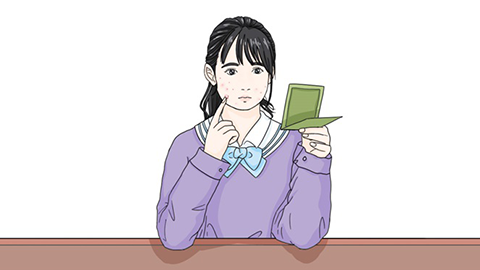
Acne, commonly known as “youth acne,” is a chronic inflammatory disorder of the hair follicles and sebaceous glands, predominantly affecting young individuals. It arises from increased sebum production by the sebaceous glands, followed by follicular pore obstruction and subsequent bacterial proliferation and infection—primarily by *Cutibacterium acnes* (formerly *Propionibacterium acnes*). Improper management may lead to post-acne pigmentation or scarring. Acne significantly impacts facial aesthetics, prompting many individuals to seek aesthetic medical treatments—including intense pulsed light (IPL) photorejuvenation—to address both active acne and residual marks. So, can “super IPL” effectively treat acne and acne scars? Let’s explore this further.
Can Super IPL Photorejuvenation Treat Acne and Acne Scars?
Yes, super IPL photorejuvenation can effectively treat both active acne and acne scars—with excellent, rapid results. However, it is relatively costly; thus, it is best suited for individuals with adequate financial resources. Super IPL works by leveraging the combined effects of light and thermal energy to eliminate *Cutibacterium acnes*, thereby suppressing acne development. Additionally, specific wavelengths of light penetrate deep into the dermis to target pigment deposits and dilated capillaries: this helps constrict capillaries, break down hyperpigmented lesions, restore normal collagen fiber architecture, and stimulate neocollagenesis in the deeper skin layers. As a result, uneven, pitted acne scars gradually become smoother and more level. Following treatment, the skin appears noticeably smoother and more refined.

IPL photorejuvenation is now one of the most widely performed cosmetic procedures. However, proper post-treatment skincare is essential for optimal outcomes. After IPL therapy, avoid using irritating cosmetics and refrain from vigorous rubbing or scrubbing of the treated area. Strict sun protection is critical: apply broad-spectrum sunscreen daily before going outdoors, as ultraviolet radiation can severely damage healing skin.
The above addresses whether super IPL photorejuvenation can treat acne and acne scars. While highly effective, this treatment is contraindicated in certain populations—including individuals with photosensitivity, systemic inflammation, immunodeficiency disorders, keloid-prone skin, or pregnancy. We hope this information proves helpful to you.


