


What Foods Should Children with Allergic Purpura Eat?
As environmental pollution worsens, the incidence of Henoch-Schönlein purpura (HSP) is also rising—especially among children, whose immature immune systems make them more susceptible to this condition. Following an HSP diagnosis, prompt medical treatment is essential; dietary management is equally important. So, what foods are appropriate for children with HSP?

Recommended Foods for Children with Henoch-Schönlein Purpura
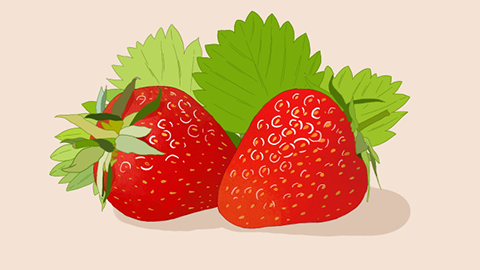
Children diagnosed with HSP should consume light, easily digestible foods—such as nutritious congee (rice porridge) and noodles. They should also eat foods rich in vitamin C, including strawberries, oranges, apples, and kiwifruit. These fruits contain abundant vitamin C, which helps enhance immune function and disease resistance. If the child exhibits signs of bleeding or anemia, iron- and nutrient-rich foods such as spinach, lean meat, red dates (jujubes), and animal liver may be beneficial. Red dates, in particular, are traditionally valued for their blood- and qi-tonifying properties.
Children with HSP must strictly avoid known allergenic foods—including cow’s milk, fish, shrimp, crab, mutton, and other seafood—due to their high content of heterologous proteins. Exposure to suspected allergens should also be minimized. Spicy foods—especially chili peppers—must be avoided entirely, as excessive capsaicin intake may disrupt endocrine function. Similarly, grilled or barbecued meats and spicy snack sticks should be excluded from the diet, as they often contain high levels of food additives. Overconsumption of such items may trigger adverse reactions—including nausea, vomiting, and diarrhea—and impede recovery.
The above outlines suitable dietary choices for children with Henoch-Schönlein purpura. We hope this information proves helpful.


