


What Is Hemophagocytic Syndrome?

Hemophagocytic syndrome (HPS), also known as hemophagocytic lymphohistiocytosis (HLH), is a rare and life-threatening disorder with two main types: inherited (primary) and acquired (secondary). Below is a detailed analysis:
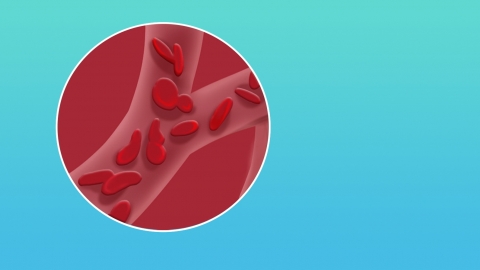
Inherited HPS is typically associated with genetic defects and is more commonly observed in pediatric patients. Acquired HPS may be triggered by infections, malignancies, autoimmune disorders, or certain medications. Clinical manifestations of HPS are diverse and severe. Patients frequently present with persistent fever—often exceeding 38.5°C—that proves refractory to standard antimicrobial therapy. This fever primarily results from excessive activation of the immune system and massive release of inflammatory cytokines. Since hemophagocytosis predominantly occurs within the monocyte-macrophage system, macrophages in the liver and spleen excessively engulf blood cells and other cellular debris, leading to hepatic and splenic hyperplasia and consequent hepatosplenomegaly.
For inherited HPS, treatment typically follows physician guidance and includes allogeneic hematopoietic stem cell transplantation (allo-HSCT) and targeted therapies. Allo-HSCT replaces the patient’s defective hematopoietic cells with healthy donor-derived stem cells to restore normal hematopoiesis. Targeted therapy employs inhibitors or agonists directed against specific molecular targets to block aberrant signaling pathways or enhance physiological signal transduction.
During illness, patients should prioritize rest, avoid physical exertion and infection exposure, and fully comply with all diagnostic evaluations and therapeutic interventions prescribed by their physicians.


