


Can trichomoniasis be completely cured?

Trichomoniasis vaginitis presents with a variety of symptoms, including intense vaginal itching, dyspareunia (pain during intercourse), abnormal vaginal discharge, and urethral discomfort. Additionally, trichomoniasis vaginitis may cause vaginal mucosal congestion and bleeding, leading to vulvar edema. Therefore, patients diagnosed with trichomoniasis vaginitis should pay close attention to vaginal hygiene—especially frequent changing of undergarments. So, can trichomoniasis be completely cured? Let’s explore this further.
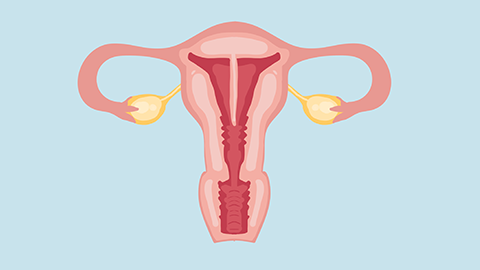
Can Trichomoniasis Be Completely Cured?
“Trichomoniasis” refers specifically to trichomoniasis vaginitis. With concurrent treatment of both sexual partners, trichomoniasis vaginitis is generally curable.
Trichomoniasis vaginitis is a common form of vaginitis caused by the protozoan parasite Trichomonas vaginalis. It can be transmitted directly through sexual intercourse or indirectly via shared clothing, towels, bathtubs, and other personal items. Diagnosis is confirmed by microscopic examination or culture of vaginal secretions to identify T. vaginalis.
Typical symptoms include increased vaginal discharge that appears yellowish-green and intense vaginal pruritus (itching). In severe cases, it may lead to infertility and significantly impair quality of life. Given its transmissibility, simultaneous treatment of both partners is essential, along with strict isolation and disinfection measures. Under medical supervision, patients may take oral anti-trichomonal medications—such as metronidazole tablets or double-azole effervescent tablets—and may also use topical agents like compound sophora decoction for symptomatic relief.
Treatment must be continued for three consecutive months. Follow-up examinations should be performed after each menstrual period ends. If three consecutive tests yield negative results, the infection is considered fully resolved.
We hope the above information is helpful to you.


